
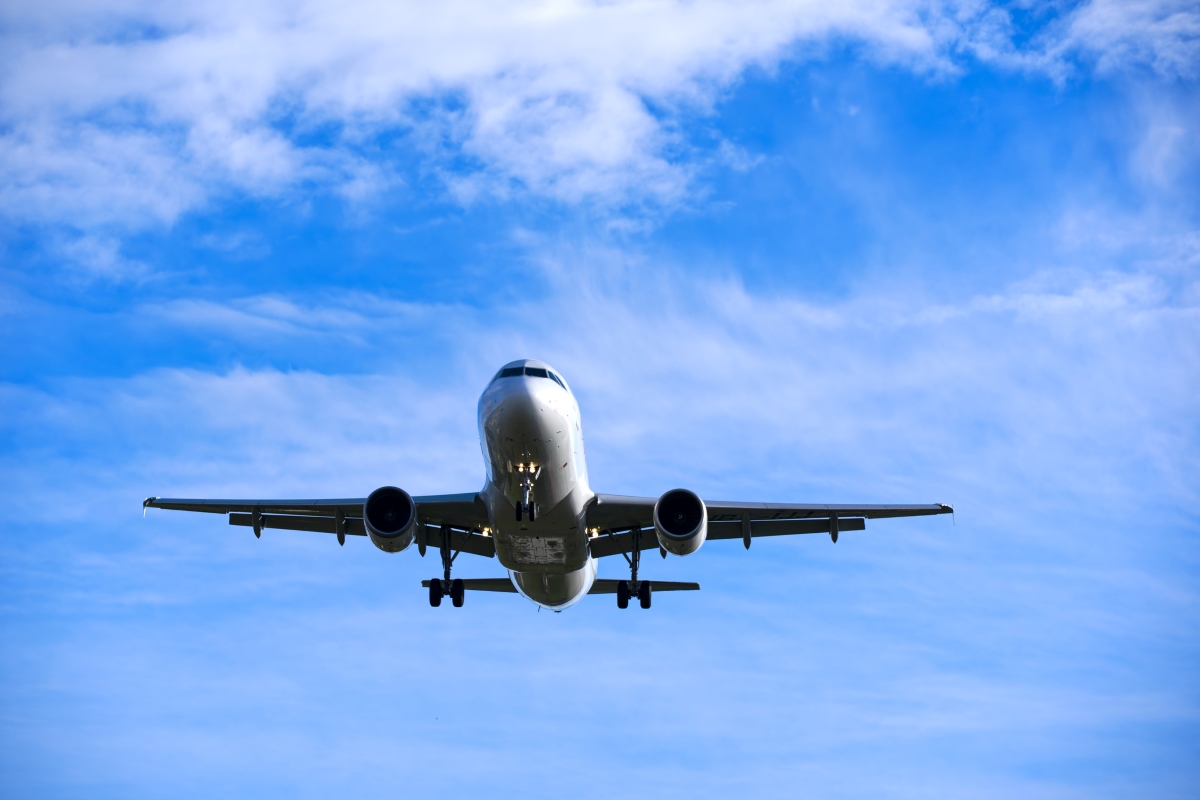
At least 27 flights across Europe were disrupted by bomb threats on Nov. 5. All aircraft landed safely, and no explosives were found. (Foto: Instagram)
At least 27 flights in several European countries were affected by bomb threats on Thursday, Nov. 5, prompting diversions, unscheduled landings and military fighter deployments. All the aircraft landed safely, and no explosives were found. Some emails sent to airports and civil aviation authorities were signed by people claiming to belong to Male State, a Russian ultranationalist movement. Authorities have not confirmed that the group was involved.
France, Italy, Bulgaria, the Czech Republic, Belgium, Romania and Austria were among the countries affected. Officials activated emergency procedures to protect passengers and crews as the threats were investigated. The emails included claims that explosives had been placed on aircraft and accusations against European governments.
One incident involved an Aer Lingus Airbus A320 traveling from Dublin to Rome. After a possible threat was identified, French fighter jets intercepted the plane and escorted it to the Évreux military base in northern France. The 151 passengers and six crew members disembarked without injury.
In Bulgaria, fighter jets accompanied three Ryanair aircraft. One flight from London to Sofia was diverted to Plovdiv. In Italy, a Finnair plane also received a military escort on its way to Rome’s Fiumicino Airport.
Male State originated in Russia and became known for intimidation campaigns and online attacks targeting women and minorities. Some of the threat emails used hateful language about women and political institutions, while their senders claimed to represent the movement. Russian courts designated the organization extremist in 2021; the group began supporting Moscow’s military offensive against Ukraine the following year. Experts caution that the use of its name in the emails does not establish that it was responsible. The senders’ identities remain unknown.
The incidents are unfolding amid heightened European concern about hybrid warfare, a term for actions such as sabotage and cyberattacks intended to destabilize countries without conventional military confrontation. European governments have accused Russia of involvement in incidents of this kind, allegations Moscow denies. However, no public evidence has linked the recent aircraft threats to the Russian government.
European Commissioner for Transport Apostolos Tzitzikostas condemned the threats against passengers and said it was too soon to draw a connection among the incidents. The latest alerts came days after similar false threats were reported on Tuesday, Nov. 3, when at least 10 commercial flights were targeted. European authorities are investigating the origin of the messages and whether the cases are connected, while airports and airlines are reinforcing security procedures.

