
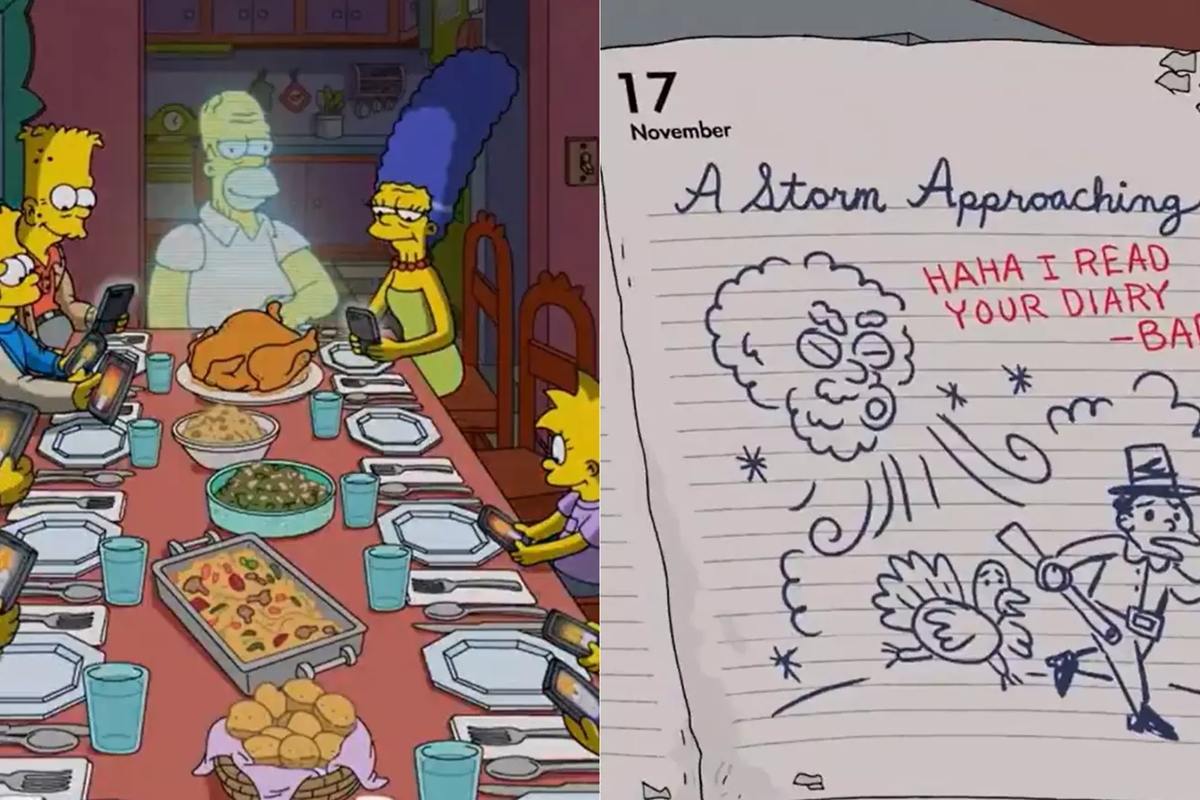
Brazil’s Civil Defense agency recommends keeping emergency supplies on hand for 72 hours, but says the guidance is routine preparedness—not a warning of a coming blackout. (Foto: Instagram)
Brazil’s National Civil Defense agency’s recommendation that households keep emergency supplies for 72 hours has fueled online claims of a worldwide blackout on Nov. 17, 2026, with some posts warning that the planet could lose electricity for as long as 90 days. The claim has no concrete supporting evidence, and it combines unrelated events: the agency’s preparedness guidance, an episode of The Simpsons and a scheduled U.S. emergency alert test.
The Civil Defense recommendation, issued Nov. 6, was intended as routine preparation for a possible disaster, not as a warning of an imminent threat. The agency said a household kit can help people meet basic needs while emergency crews respond and services are restored, particularly in places where assistance may take longer to arrive. It recommends two liters of drinking water per person per day, or six liters for three days, along with nonperishable food such as dried fruit, granola bars, crackers and canned goods. Suggested supplies also include disposable plates and cups, utensils, a can opener, paper towels, soap, regular medications, prescription copies, hand sanitizer, and batteries or chargers for medical equipment. The list includes clothing and comfortable shoes, an AM/FM radio, flashlights, batteries, chargers, personal documents stored in waterproof packaging, a contact list and plastic bags. Families with babies should bring supplies specific to their needs. After the advice circulated widely and prompted speculation, Civil Defense reiterated that it was preventive and asked the public to remain calm.
Some posts also urged people to watch the final seconds of a Simpsons episode, citing it as a supposed prediction of the blackout. The episode, “It’s a Blunderful Life,” aired in November 2023 as part of the show’s 35th season. Its plot does not refer to a global blackout in 2026 or predict a widespread communications shutdown, and it offers no basis for linking the story to Nov. 17. In Brazil, the rumor gained traction alongside a post falsely attributed to Google’s official account.
The Nov. 17 date is connected to an actual exercise by the U.S. government, but not to a power outage. The Federal Emergency Management Agency and the Federal Communications Commission are scheduled to conduct a nationwide test of the Emergency Alert System at 2:20 p.m. Eastern time, or 4:20 p.m. in Brasília. Radio and television stations will briefly interrupt programming to broadcast a message identifying the event as a test. The broadcast is expected to last about one minute. The exercise is not expected to send alerts to cellphones and will not shut off electricity, interrupt internet access or suspend banking services. U.S. law requires a nationwide test of the system at least once every three years.
Cyberattacks against electricity systems are a genuine risk because intrusions can affect equipment and systems used to generate, transmit and distribute power. But that general risk does not establish that an attack is planned for November 2026. No technical documents, identified perpetrators or official warnings have been presented to support claims of a coordinated operation intended to cause a global blackout. Electricity infrastructure is also not a single integrated network covering the planet: countries have their own systems for generating, transmitting and distributing power.
The 90-day figure has also been linked online to a U.S. military initiative called the Fortress Directive. Announced by the U.S. Department of Defense in September 2026, the initiative sets a goal of up to 90 days of energy autonomy for about 500 military bases in the event of cyberattacks or interruptions to outside supply. Its purpose is to help those installations continue operating during supply problems. It does not call for a 90-day blackout or for electricity to be cut off to civilians; the online claims take the time frame out of its original context.

