
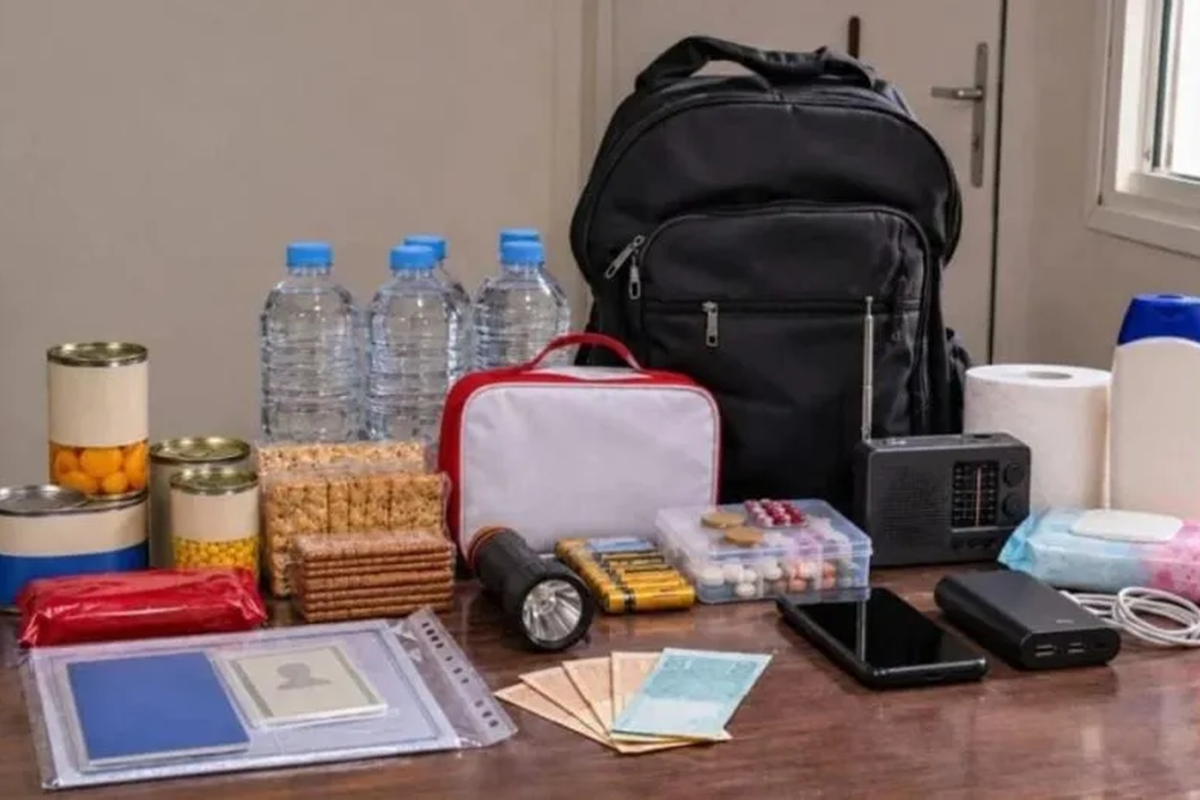
Brazil’s National Civil Defense and the European Commission recommend keeping essential supplies on hand to manage for up to 72 hours during a crisis. (Foto: Instagram)
Brazil’s National Civil Defense and the European Commission are urging people to prepare supplies that could help them manage for up to 72 hours during a crisis. Brazil’s agency published its recommendations on Nov. 6, while the commission asked residents of the European Union’s 27 member countries on Nov. 3 to prepare for the same period. The guidance is intended to help individuals and families cope while assistance is delayed or essential services are disrupted; it does not mean a disaster is expected.
The National Civil Defense list calls for drinking water, nonperishable food, medications, clothing, personal documents and equipment for following instructions from authorities. Water is the most important supply, the agency says: two liters per person per day, or six liters for three days. Suggested foods include dried fruit, cereal bars, crackers and canned goods. The kit should also include plastic plates and cups, utensils, a can opener, paper towels and soap.
For medication and first aid, the recommendations include regularly used prescriptions, copies of prescriptions, hand sanitizer, and any medical equipment along with batteries and chargers. Personal items such as prescription glasses and insect repellent are also suggested, as are changes of clothing and comfortable shoes. A battery-powered AM/FM radio, flashlight, spare batteries and chargers can help people stay informed and keep devices powered. The agency also recommends protecting personal documents in waterproof packaging, bringing a contact list, and packing plastic bags to shield belongings from moisture and dirt.
Families with babies should add supplies specifically for their children. The agency’s advice is to keep the items organized and easy to reach in case people need to leave home quickly or face a temporary interruption of essential services. The recommendations describe basic preparedness for the first hours or days of a possible emergency, rather than a response to a particular event.
The European Commission’s guidance is part of a broader effort to prepare for different kinds of crises, including natural disasters, geopolitical crises and cyber threats. Its suggested supplies are similar to Brazil’s list and include drinking water, nonperishable food, first-aid materials, hygiene products, flashlights, radios and portable phone chargers. The commission says the initiative is meant to strengthen the ability of individuals and communities to respond when services are disrupted and to help residents be better informed and prepared. The guidance is not mandatory; the bloc says it is intended to encourage a culture of preparedness.
In Brazil, the National Civil Defense recommendations prompted speculation on social media about whether an exceptional situation was expected in the coming days. The agency responded that the guidance is preventive and part of its routine advice. It said no unusual event is imminent in connection with the recommendation.

