
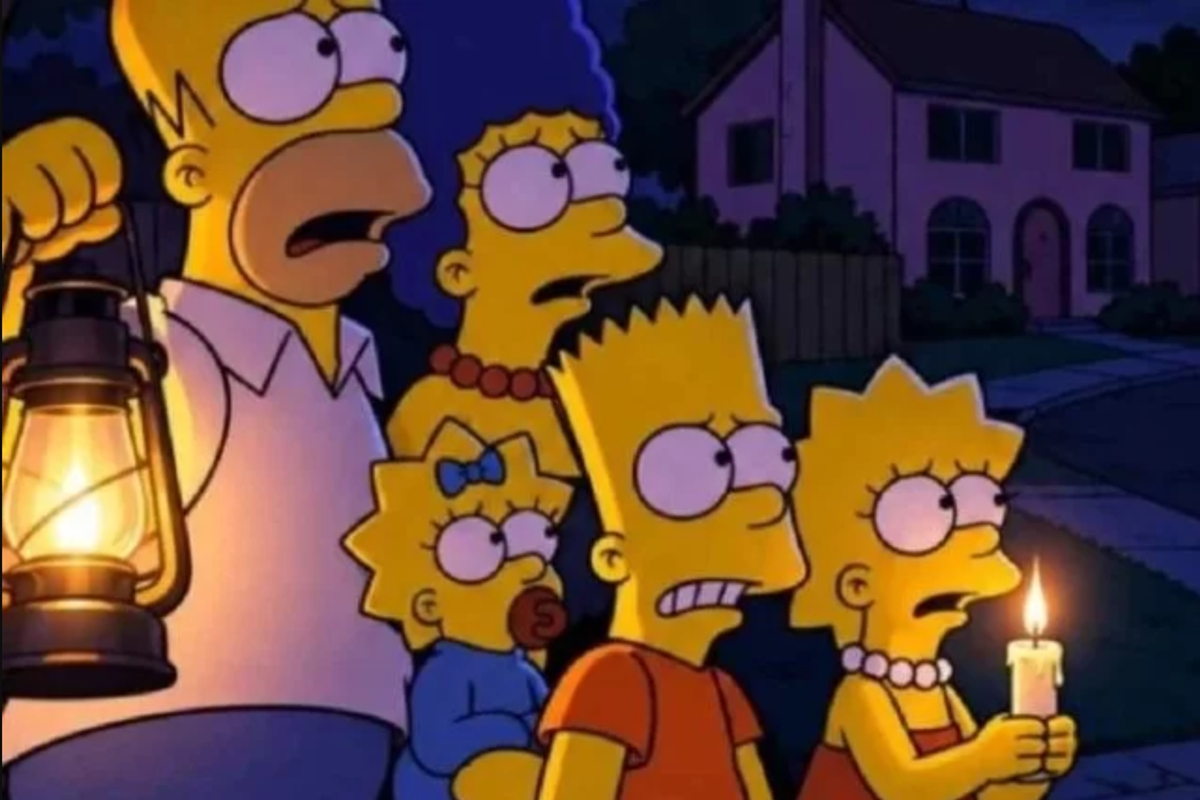
A rumor claiming a 90-day global blackout would begin Nov. 17, 2026, has no support from official warnings or technical evidence. (Foto: Instagram)
A rumor circulating online claimed that a worldwide blackout would begin Nov. 17, 2026, leaving people without electricity, internet access or communications for as long as 90 days. No official warning, technical document or authority has confirmed such a catastrophe. The claim also assumes a single switch could shut down power and communications around the world, but countries operate their own electricity generation, transmission and distribution systems.
The rumor appears to combine three unrelated things: an episode of “The Simpsons,” emergency-preparedness advice from Brazilian authorities and the European Union, and a scheduled U.S. emergency alert test. A series of technology and communications disruptions in recent days has also heightened concern about a possible cyberattack, but those incidents do not establish that a coordinated global blackout is planned.
On Nov. 16, customers reported trouble accessing services at Chase, Bank of America, U.S. Bank, Wells Fargo and Truist, according to reports logged by Downdetector. United Airlines also said a widespread system failure affected aircraft on the ground and prevented flights from being cleared for takeoff. The previous day, Amazon lost 40 satellites for its Amazon Leo internet service after a United Launch Alliance rocket malfunctioned during launch; the cause was unknown and under investigation. On Nov. 13, the Federal Aviation Administration suspended all U.S. takeoffs over safety concerns after a communications problem affected air traffic control centers nationwide. Users in several countries had also reported problems with Microsoft services, including Outlook, Teams, Microsoft 365, Microsoft Store and Copilot, beginning Nov. 12.
Preparedness guidance in Brazil and Europe was also misrepresented online. Brazil’s Civil Defense agency advised people on Nov. 6 to keep supplies at home for the first 72 hours of a possible disaster. After the recommendation went viral, the agency clarified that it was a precaution and did not indicate an imminent threat. The suggested kit includes drinking water, nonperishable food, regularly used medication, first-aid supplies, clothing, a flashlight, batteries, a charger and personal documents. The European Commission issued guidance on Nov. 3 asking residents of the EU’s 27 countries to assemble emergency bags with essentials for up to 72 hours, including water, food, first-aid and hygiene supplies, flashlights, radios and portable phone chargers.
The “Simpsons” claim centers on “It’s a Blunderful Life,” an episode from the show’s 35th season that originally aired in November 2023. The episode does not refer to a global blackout in 2026 or predict a widespread communications outage, and it offers no basis for linking the alleged event to Nov. 17. Its blackout is caused by a storm in the fictional town of Springfield.
The date may have been linked to a real U.S. test scheduled for Nov. 17. The Federal Emergency Management Agency and the Federal Communications Commission planned a nationwide test of the Emergency Alert System for 2:20 p.m. Eastern time, or 4:20 p.m. in Brasília. Radio and television broadcasts were expected to be interrupted for about a minute to identify the alert as a test. The test does not mean phones will sound, power will go out or internet and banking services will stop. U.S. law requires the test to take place at least once every three years.
Cyberattacks against energy systems are a genuine risk because they can affect equipment involved in generating, transmitting or distributing electricity. But no document, identified organizer or official alert has been presented to substantiate a plan for a coordinated global blackout in November 2026. The rumor’s reference to 90 days appears to come from the U.S. Defense Department’s Fortress Directive, announced in September 2026. The initiative seeks to enable about 500 military bases to operate independently for up to 90 days if they face a cyberattack or lose external power. It is a goal for military-base autonomy, not a plan to leave the public without electricity.

