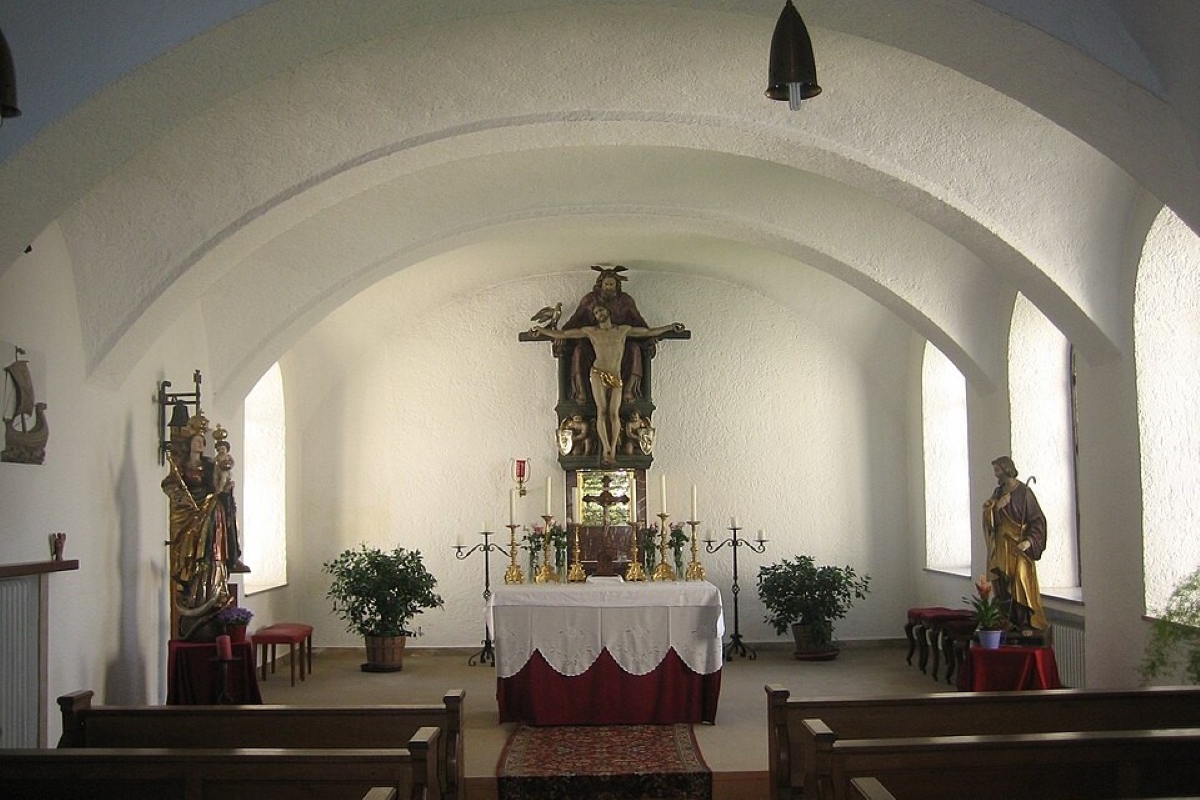
Fifty-six people were sickened by carbon monoxide during a Mass at a chapel in Bad Grönenbach, Germany, on Nov. 22. At least 16 were taken to hospitals. (Foto: Instagram)
Fifty-six people were sickened by carbon monoxide during a Mass on Nov. 22 at a chapel in Bad Grönenbach, in southern Germany, local authorities said. At least 16 were taken to hospitals for medical care, including two who were transported by helicopter. Authorities have not reported any patients in serious condition.
The incident occurred at the Schlosskapelle, or Castle Chapel, which the Priestly Fraternity of Saint Peter uses for religious services. More than 50 people were inside, including several children. Emergency crews were first called after a child fainted during the service. Responders then noticed that other attendees showed symptoms consistent with carbon monoxide poisoning.
Firefighters, police and medical teams were dispatched after detectors identified carbon monoxide in the chapel. They evacuated the worshippers and provided assistance. Those affected were initially taken to the local fire station for medical evaluation.
Initial information from the police investigation points to a problem with the chapel’s heating system. The heater had been purchased only a few weeks earlier. The chapel’s 70-year-old sacristan turned it on at about 6 a.m. local time to warm the building before the service.
The heater was equipped with an automatic safety mechanism designed to shut it off if carbon monoxide reached a high concentration, but the device did not work properly. Police are investigating whether the problem resulted from a technical defect or an operating error. The circumstances of the incident remain under investigation.
Carbon monoxide is a toxic, colorless and odorless gas produced by the incomplete burning of fuel. Because people cannot readily detect it, exposure can occur without their realizing the gas is present. Inhalation interferes with the body’s ability to transport oxygen. Symptoms can include headache, dizziness, nausea and fatigue; high concentrations can cause fainting and may be fatal.

