
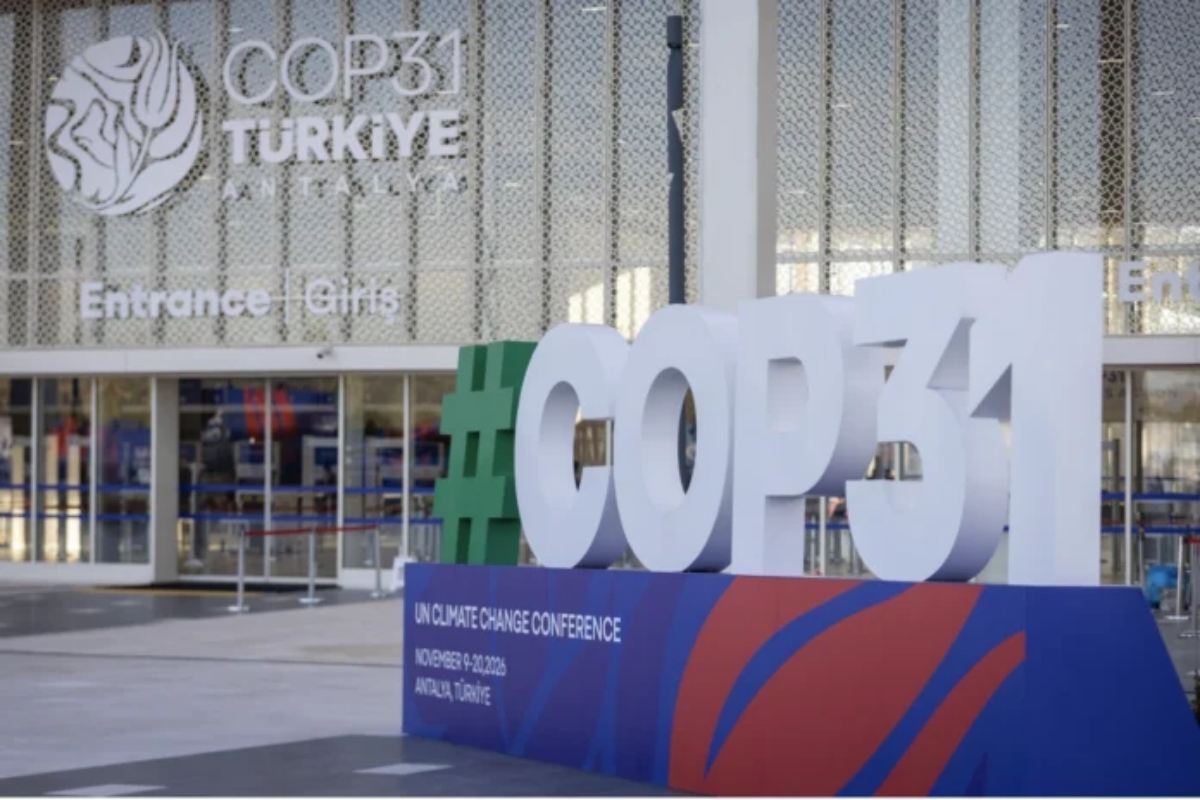
COP31 ended in Antalya, Turkey, on Nov. 22 without a consensus agreement, after nearly 200 countries failed to resolve disputes over fossil fuels and climate finance. (Foto: Instagram)
The 31st United Nations Climate Change Conference, COP31, ended in Antalya, Turkey, on Nov. 22 without approval of a joint final declaration. It was the first time since the 2009 COP15 summit in Copenhagen that a U.N. climate conference concluded without a consensus agreement among participating countries. Delegations from nearly 200 nations attended the meeting, whose negotiations stretched almost two days past the scheduled closing and made it the longest U.N. climate summit to date.
The main dispute centered on whether the final text would include commitments to reduce reliance on fossil fuels, including oil, coal and natural gas. Major oil-producing countries, particularly Saudi Arabia and Russia, resisted more explicit language calling for a faster energy transition. The European Union, the United Kingdom and other countries declined to support the final draft presented by the conference presidency, saying it did not adequately address the climate crisis. The text made no direct mention of fossil fuels, which the scientific community identifies as the main cause of global warming.
An earlier draft had called explicitly for accelerating the phaseout of fossil fuels, but that language was removed in later versions. The change drew objections from European and Latin American countries and small island states, which are especially vulnerable to climate impacts. The latest draft referred only indirectly to the 2023 COP28 agreement in Dubai, where countries agreed to transition away from fossil fuels. Critics said that omitting a clear reference weakened that commitment and left room for continued fossil fuel production and use. Germany’s Environment Minister Carsten Schneider called the proposal a step backward, while Ireland’s Climate Minister Darragh O’Brien said a climate agreement without any reference to fossil fuels was unacceptable.
COP31 President Murat Kurum acknowledged that negotiators had failed to reach agreement and confirmed the text would not be adopted. The impasse highlighted the difficulty of reconciling the interests of countries reliant on oil production and exports with calls for stronger emissions-reduction commitments. Pressure from major oil producers was a central feature of the talks, as countries sought to prevent resolutions establishing clearer commitments to move away from fossil fuels.
Climate finance was another point of contention. Developing countries, particularly those most exposed to climate impacts, have called on wealthy nations to increase support for adaptation and disaster prevention, citing the richer countries’ historic contribution to greenhouse gas emissions. The proposal at COP31 called for tripling funding for climate adaptation but did not set a clear reference amount. A target of $120 billion a year, discussed in earlier drafts, was removed from the final text. The lack of firm financial guarantees frustrated African countries, small island nations and other developing economies. Marshall Islands delegate Jetnil-Kijiner criticized the shortfall, saying vulnerable countries cannot manage the effects of global warming on their own.
Governments and environmental groups expressed concern about the failure to reach a deal. Sara Shaw, an activist with 350.org, criticized the rejected proposal for lacking concrete commitments to reduce fossil fuel use, arguing that it would allow pollution to continue. The conference also considered a Turkish presidency proposal to increase electricity’s share of global final energy consumption from about 23% to 35% by 2035. The proposal aimed to speed electrification across sectors but drew criticism because it did not require the additional electricity to come from renewable sources.
The outcome came amid growing concern about climate change impacts. The United Nations has warned that the planet could exceed the 1.5-degree Celsius warming limit set by the Paris Agreement, raising the risk of extreme events such as heat waves, floods and droughts. COP15 in Copenhagen was the last U.N. climate summit before COP31 to end without a final consensus deal. The Antalya outcome again exposed the challenges of international negotiations, where decisions depend on agreement among participating countries.

