
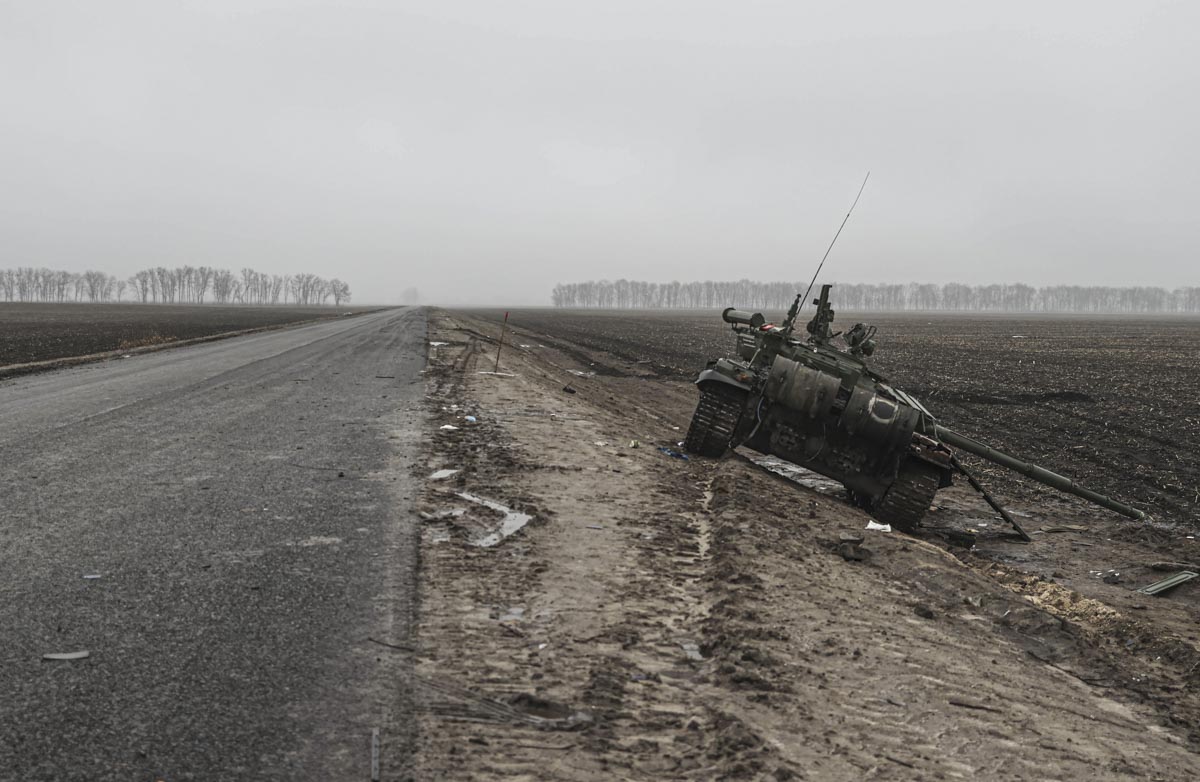
An analysis of Russian death records identified 1,087 suicides among members of the armed forces since the full-scale invasion of Ukraine began in February 2022. (Foto: Instagram)
More than 1,000 Russian service members have died by suicide since Russia launched its full-scale invasion of Ukraine in February 2022, according to an analysis by The Guardian. The investigation examined confidential records from Rosstat, Russia’s state statistics agency, obtained by hacking groups. A review of more than 11 million death certificates identified 1,087 suicides among members of the Russian armed forces.
The records also include 885 deaths caused by firearm injuries that were classified as having “undetermined intent.” Those cases may include deaths not officially recognized as suicides. The documents were obtained by Cyber Partisans, a group linked to the Belarusian opposition, and Ukraine’s Silent Crow. The Kremlin does not publish military suicide statistics and treats casualty figures as a state secret.
The records show annual totals rising during the war. There were slightly more than 50 cases in 2022; the number exceeded 200 in 2024 and reached 365 in 2025. Nearly 300 cases had been recorded in 2026 by the time of the report, though the records were incomplete and subject to delays. That was already the second-highest annual total since the invasion began.
At least 614 of the identified suicides took place in Russian-occupied parts of Ukraine or in Russian regions near the border, particularly Belgorod and Bryansk. The location was not specified in 113 records. More than half of the cases involved firearms, and deaths were recorded at military camps, combat positions, training centers and private homes. In the war zone, 43 of the identified suicides involved service members who were 18 or 19 years old.
Experts cited by The Guardian pointed to pressure from commanders and fellow service members, fear of being sent on extremely dangerous missions, and difficulty leaving military service as factors that may help explain the deaths. Rob Lee, a researcher at the Foreign Policy Research Institute, said accounts describe coercion within the Russian armed forces to push soldiers into combat operations. In some cases, he said, troops face threats, mistreatment and physical violence. Military contracts can also make it difficult for soldiers to leave the service and the conflict.
The true scale may be greater than the records indicate. The investigation found 1,038 military deaths associated with firearm injuries whose intent was undetermined; 885 of those occurred in Ukraine or Russian regions near the border. In some cases, relatives or unit members were told a death was a suicide, while official records listed another cause. Experts say some such deaths may have been recorded as combat fatalities. Ivan Chuvilyaev, a spokesperson for Idite Lesom, which helps soldiers seeking to leave the armed forces, said the actual number of cases is probably higher. He said a lack of independent information from the front makes the circumstances of deaths difficult to establish.
Suicides are one indicator of strain in Russia’s forces, alongside refusals to follow orders, unauthorized absences and desertions. Mediazona reported that by the end of May 2025, Russian military courts had received cases against 20,662 men for refusing service, mostly related to unauthorized absence. An investigation by the independent project IStories identified at least 49,000 service members declared deserters or absent without authorization. Experts cited by The Guardian said pressure within the military, the risks of operations and barriers to leaving service may all contribute to the trend. The Russian government’s lack of transparency makes it difficult to determine the full death toll or the conditions soldiers face.

