
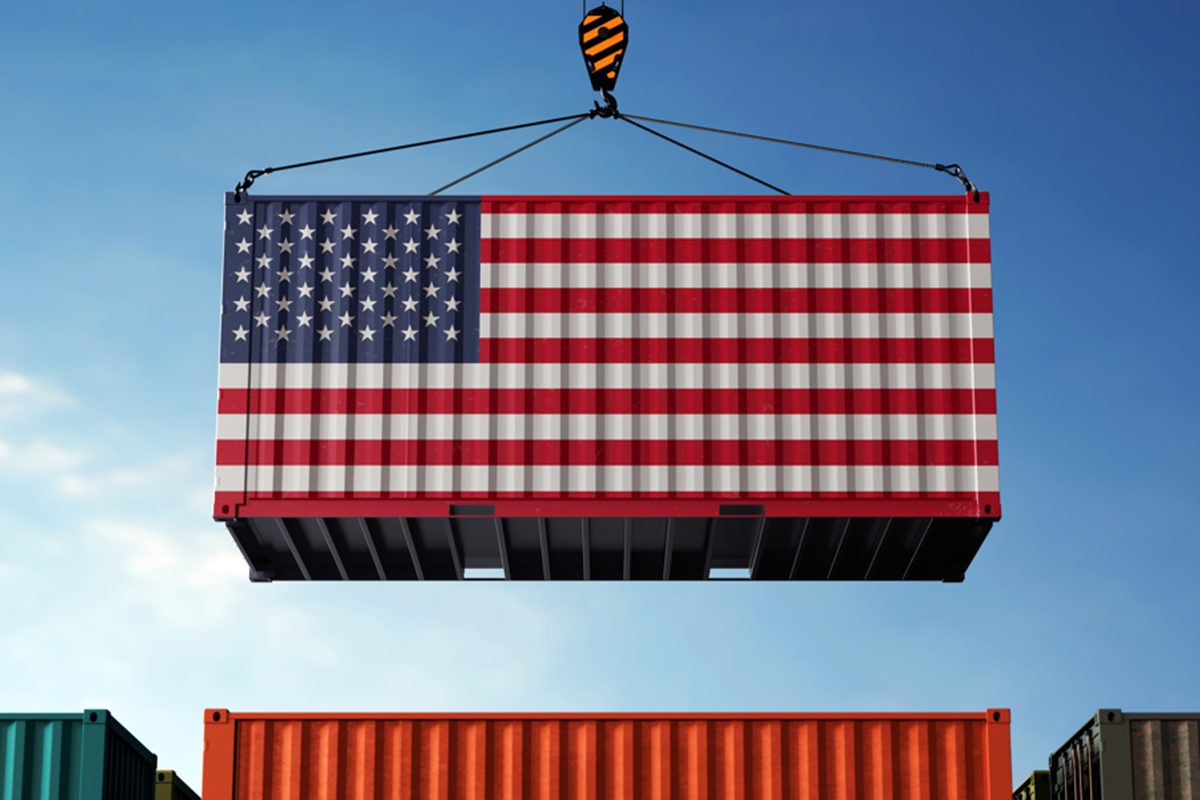
The U.S. Trade Representative proposed expanding tariffs on Brazilian goods, including a 10% additional tariff on finished aircraft made in Brazil and new duties on sugar imports. (Foto: Instagram)
The U.S. proposal to expand trade tariffs on Brazil would remove some exemptions for Brazilian products and increase economic pressure on President Luiz Inácio Lula da Silva’s government, according to the U.S. Trade Representative’s office. Announced Nov. 25, 2026, the proposal remains under review and calls for new charges on imports of Brazilian sugar and aircraft. It is part of a reassessment of a trade investigation opened under Section 301 of U.S. law.
U.S. Trade Representative Jamieson Greer said Brazil had not made enough progress toward resolving trade disputes, despite more than a year of negotiations. “After more than a year of negotiations, Brazil has made no significant progress in addressing harmful trade practices that undermine the competitiveness of American farmers, workers, innovators and businesses,” he said. The Trump administration’s position is that existing tariff exemptions allow some Brazilian goods to enter the U.S. market without the charges applied to other product categories. It intends to broaden the measures and use tariffs as leverage in negotiations.
For sugar, the U.S. concerns involve import rules and the quota system. The United States sets limits on foreign sugar imports that qualify for specific tariff terms; shipments above those limits face higher charges. The U.S. Trade Representative’s proposal would replace a 25% tariff previously applied to certain categories of raw and refined sugar with an additional, specific duty. It would also change how imports above the quotas are treated, applying the policy without distinction among supplier countries.
The agency said the proposed change is intended to prevent other exporters from taking market share that might be left open if Brazilian sugar exports to the United States decline. The sugar provisions are part of the broader effort to reconsider exemptions for Brazilian goods, rather than a measure limited to aircraft. The proposal does not specify in the report how much the additional sugar duty would be.
For aircraft, the proposal calls for an additional 10% tariff on finished aircraft made in Brazil. The change is expected to directly affect Embraer, one of Brazil’s major exporters to the United States. Aircraft had been among the product categories exempted from earlier tariff measures. Washington’s stated aim is to end that different treatment and expand the range of Brazilian products subject to tariffs.
The measures stem from a trade investigation launched in 2025 at President Donald Trump’s direction into Brazilian practices that the United States considers harmful to its interests. In July 2026, Washington imposed 25% tariffs on a range of Brazilian products. Greer said the United States now wants to revisit exemptions and extend the charges to strengthen its position in negotiations. The announcement came a day after the United States blocked Brazil’s first request to establish a panel at the World Trade Organization to challenge the tariffs. Brazil had taken the dispute to the organization in July after direct negotiations failed, but the U.S. objection prevented the request from advancing in its initial review by the WTO’s Dispute Settlement Body.

