
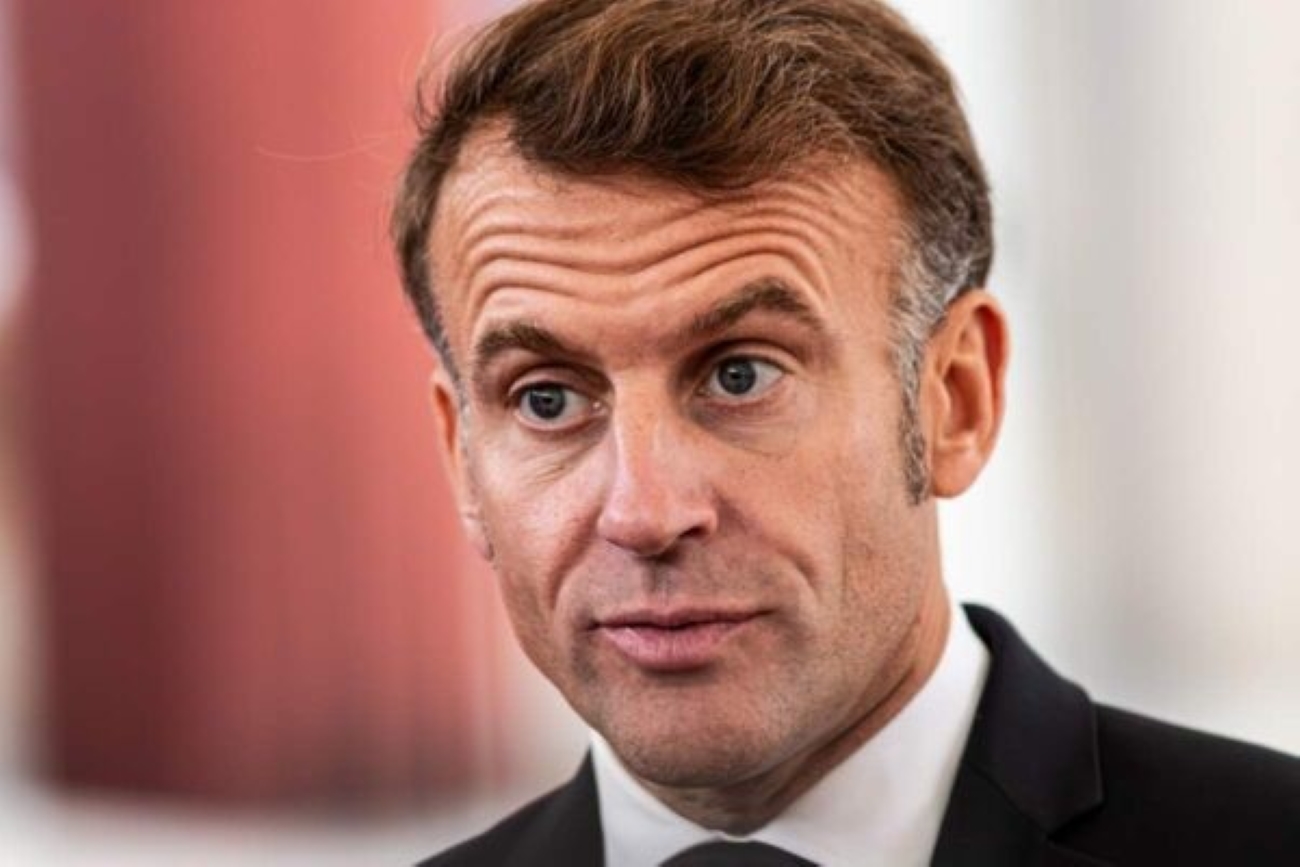
France’s economy contracted 0.2% in the third quarter of 2026, according to revised figures from Insee. (Foto: Instagram)
France’s economy contracted by 0.2% in the third quarter of 2026 compared with the previous three months, according to figures released Nov. 27 by the National Institute of Statistics and Economic Studies, known as Insee. The agency revised its initial estimate of a 0.1% decline downward. The report described the result as a technical recession, following a 0.2% contraction in the first quarter and near-stagnation in the second.
Insee later revised second-quarter growth to 0.02%, a change rounded to zero in headline figures. Economists commonly define a technical recession as two consecutive quarters of economic contraction. The quarterly figures cited in the report show a decline in the first quarter, slight growth in the second and another decline in the third. Marie Leclair, head of Insee’s National Accounts Department, said the revision did not change the overall picture of the economy, though she said France could technically be considered in recession.
The revised figures put France’s gross domestic product at 664.4 billion euros in the first quarter, 664.2 billion euros in the second and 662.6 billion euros in the third. France, the eurozone’s second-largest economy, is struggling to meet the government’s 0.5% growth target for 2026. Growth through the third quarter stood at 0.1%; that pace would hold if economic activity remained unchanged in the final three months of the year.
The weak performance is also adding pressure on France’s minority government, which is facing difficulties passing the 2027 budget in a divided Parliament. The budget challenge comes five months before the presidential election, according to the report.
Domestic demand was subdued. Consumer spending rose 0.3% in the third quarter, while business investment fell 0.8%, Insee’s detailed analysis showed. Companies rebuilding their inventories added 0.3 percentage points to GDP, reversing a 0.7-point drag in the previous quarter.
Foreign trade weighed on output. French exports declined 1.6%, while imports rose 0.1%; the trade balance subtracted 0.6 percentage points from GDP. Sales of aircraft-related and agricultural products fell. Charlotte de Montpellier, an economist at ING, described the economy as stagnant and identified the steep drop in exports as the main factor behind the contraction.
The Bank of France projected moderate growth in the fourth quarter in early November. It expects the economy to expand by about 0.3% for all of 2026, below both the government’s 0.5% target and Insee’s earlier forecast of 0.4%.

