
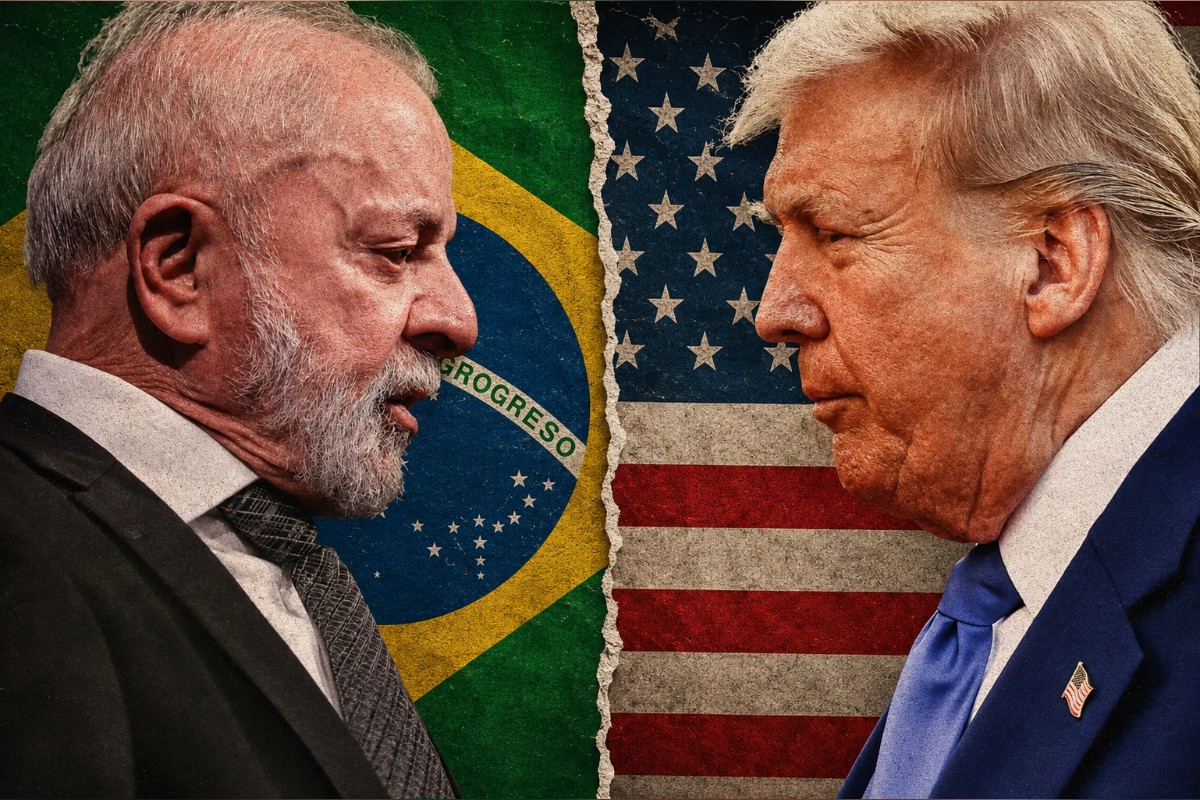
A U.S. proposal to expand tariffs on Brazilian aircraft and sugar has added strain to trade talks between Washington and Brasília. (Foto: Instagram)
A proposal from the U.S. Trade Representative’s Office to expand tariffs on Brazilian goods has heightened trade tensions between Washington and Brasília and complicated efforts to improve relations between President Luiz Inácio Lula da Silva and President Donald Trump. The plan, announced Wednesday, Nov. 25, calls for changes to existing tariff rates and new measures involving Brazilian aircraft and sugar. The two governments have been trying to reopen talks on trade barriers, but diplomatic contacts between the presidents have not produced an agreement.
The proposal was presented by U.S. Trade Representative Jamieson Greer as part of an investigation under Section 301 of U.S. trade law. That provision allows the United States to investigate practices by other countries that Washington considers harmful to U.S. commercial interests. Among the proposed changes is an additional 10% tariff on Brazilian aircraft. The office also wants to change duties on raw and refined sugar imported beyond U.S. quotas.
The measures could affect key parts of Brazil’s economy, particularly aviation and agribusiness. Finished aircraft had been excluded from the 25% tariffs imposed in July, but the new proposal would add a 10% rate to those products. Aircraft are among Brazil’s major exports to the United States, and the change could affect Embraer’s competitiveness in the U.S. market. Embraer shares fell nearly 10% during the day following the U.S. government’s announcement.
For sugar, the proposal concerns imports of raw and refined products that exceed limits set by the U.S. government. The U.S. Trade Representative’s Office said the change is intended to prevent suppliers from other countries from increasing exports to fill any space left by Brazilian sugar. Brazil is still assessing the proposed measures. Their potential impact could add pressure on Lula’s government to respond through further negotiations or commercial-defense measures.
In a statement, the Brazilian government said it “will not yield” to U.S. pressure and raised the possibility of invoking Brazil’s reciprocity law. It also said it had not ruled out a negotiated solution. The U.S. Trade Representative’s Office, meanwhile, said that after more than a year of talks, Brazil had made no significant progress in addressing what the office described as harmful trade practices that undermine the competitiveness of U.S. farmers, workers, innovators and businesses.
Brazil has sought a diplomatic path to reverse U.S. tariffs since Washington began its tariff policy in 2025, but talks have yet to yield concrete progress. Negotiations have included pauses and renewed contacts, and are now stalled while Brazil awaits a U.S. document expected to outline Washington’s demands for moving forward. The document had not arrived, and no resolution had been reached. Brazilian officials had expected the political tone of the tariff discussions to ease after the country’s election process, potentially making negotiated solutions more feasible. The latest U.S. proposal points in the opposite direction. While contacts between Lula and Trump helped reopen diplomatic channels, the USTR initiative suggests the White House continues to use tariffs as leverage in negotiations.

