
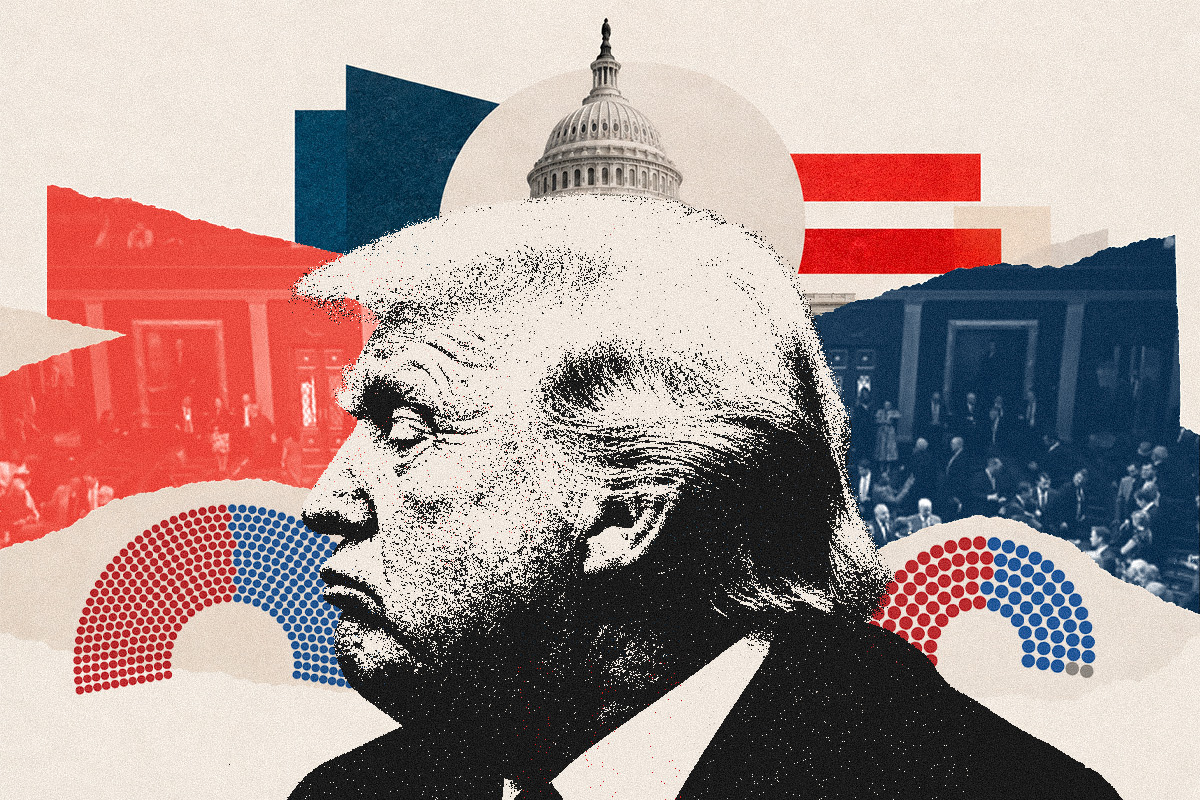
The Nov. 3 midterm elections will determine control of Congress, with all 435 House seats and 35 Senate seats up for election. (Foto: Instagram)
Voters in the United States head to the polls on Tuesday, Nov. 3, to elect members of Congress in a contest that could create major obstacles for President Donald Trump during his second term. All 435 seats in the House of Representatives and 35 of the Senate’s 100 seats are up for election as Republicans face the possibility of losing their majorities in both chambers.
The vote comes as Trump’s approval rating has fallen, the war involving the United States, Israel and Iran continues, and the cost of living remains a concern. Democrats are seeking to regain ground in Washington and, if they win control of either chamber, limit the president’s ability to advance his agenda over the next two years. Midterm elections take place every two years between presidential elections and are often viewed as a measure of public satisfaction with the administration. No presidential candidate appears on the ballot.
A Reuters/Ipsos poll released Monday, Nov. 2, found Trump’s approval rating at 32%, unchanged from the previous survey and close to a low of 31% recorded on Oct. 19. Among respondents, 46% said they preferred Democratic candidates for Congress, compared with 38% who favored Republicans. Half of independent voters said they planned to vote against Trump. The poll surveyed 1,765 voters and had a margin of error of two percentage points.
Democrats appear well positioned to retake the House, with election forecasts putting their chances of winning a majority above 90%. Republicans currently hold 218 House seats, compared with 214 for Democrats; Democrats need a net gain of four seats to take control. The Senate contest is expected to be closer. Republicans hold 53 seats, while Democrats and independents who generally align with them total 47. Democrats would need 51 seats for a majority.
The economy is a major concern for voters, with prices for fuel, food, health care and housing under scrutiny. The continuing war has also added pressure to living costs and drawn criticism of Trump’s foreign policy. Democrats have blamed trade tariffs for making goods more expensive, while Republicans have pointed to tougher immigration policies as an achievement of the administration. Regulation of artificial intelligence has also become part of the campaign debate.
Trump spent about 50 minutes speaking at the Lincoln Memorial Reflecting Pool in Washington on Monday, urging supporters to help preserve the Republican congressional majority. He called the election the most important of their lives and described the Democratic candidates as the most extreme and dangerous in U.S. history. He also accused Democrats of supporting open borders, higher taxes, restrictions on gun ownership and policies that, he said, would raise energy costs and increase immigration. Trump said the country was experiencing a “golden age” and urged supporters to vote as if he himself were on the ballot. Republican strategists, however, have expressed concern that his focus on renovation projects and monuments in Washington could be out of step with voters struggling with living costs.
A Democratic victory in either chamber could change the balance between Congress and the White House. If Democrats take the House, they would control its committees and gain tools to subpoena administration officials, request documents and investigate the government, including contracts, possible conflicts of interest and actions taken through executive orders. A new impeachment effort could also gain support among Democrats. The House can bring charges against a president, while the Senate conducts the trial; conviction requires the support of two-thirds of senators.
A Democratic Senate majority could make it harder for Trump to win confirmation of nominees for senior government posts, ambassadorships and federal judgeships, including any future Supreme Court vacancies. Trump could still use executive orders to pursue parts of his agenda, but would face greater institutional resistance and more difficulty turning proposals into law. The midterm results are also expected to shape political maneuvering ahead of the 2028 presidential election, in which Trump cannot run because he has already served two terms.

