
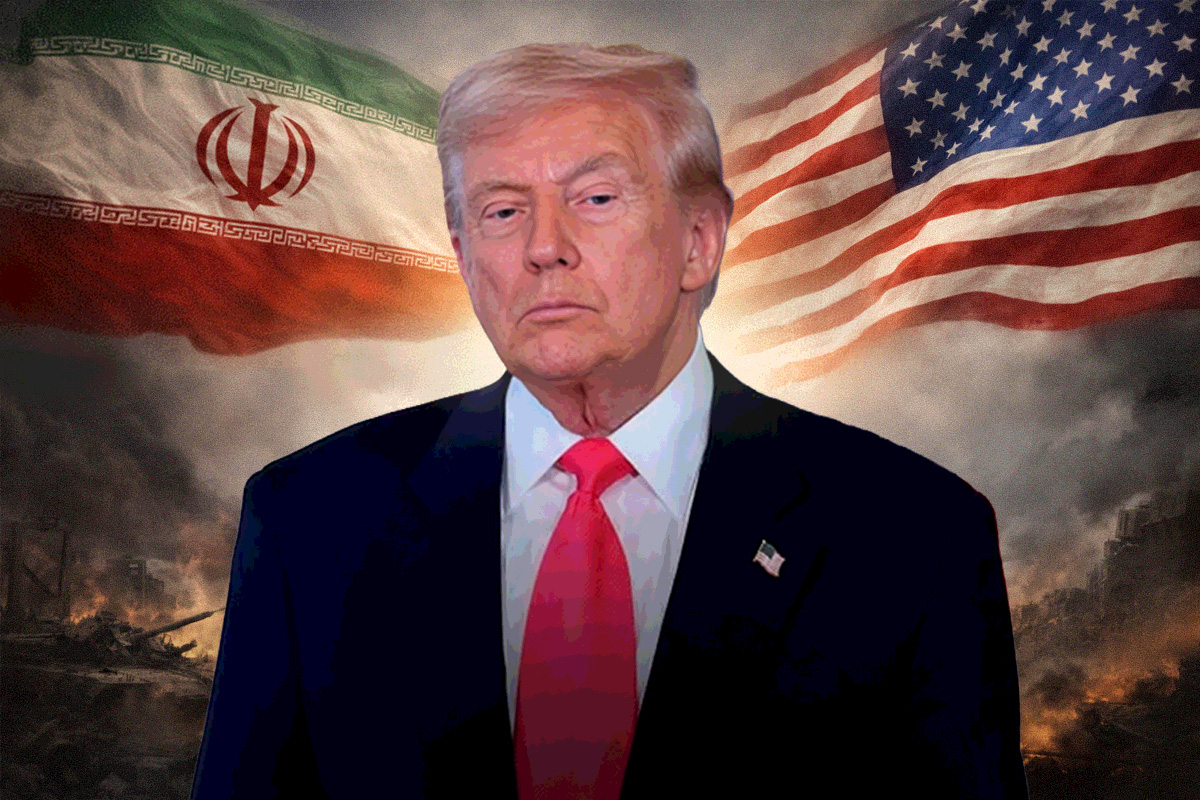
The United States is offering up to $20 million for information about Iran’s nuclear program, including its facilities, equipment, personnel, and the movement of nuclear materials. (Foto: Instagram)
The United States is offering a reward of up to $20 million for information about Iran’s nuclear program, with the possibility of relocating informants to a safe location if needed. Rewards for Justice, an organization affiliated with the U.S. State Department, announced the offer on Nov. 6, 2026. It is seeking information on Iranian nuclear facilities, equipment, scientists and other people connected to the program, as well as the movement of materials and individuals.
The reward comes amid the war involving the United States, Israel and Iran, which began on Feb. 28, and Washington’s efforts to prevent Tehran from developing nuclear weapons. Iran’s nuclear program has been a source of tension among the countries for years. The U.S. and Israeli governments have cited it as one of the main reasons for their military offensive.
The International Atomic Energy Agency reported in 2025 that Iran was enriching uranium to 60% purity, approaching the roughly 90% generally needed to produce weapons-grade uranium. Rewards for Justice says experts believe that, if further enriched, the stockpile could be sufficient to make several nuclear weapons. Iran is the only country without internationally recognized nuclear weapons to produce uranium at that enrichment level. Enrichment to 60%, however, does not by itself mean Iran has a ready-to-use atomic bomb.
The IAEA has also lost continuity of knowledge about some of Iran’s production and stocks of nuclear components, including centrifuges, after Tehran failed to meet safeguards obligations, according to the report. That gap makes international monitoring more difficult and complicates efforts to determine precisely which materials and equipment Iran has.
The U.S. and Israel began strikes on Iran on Feb. 28, 2026, targeting military sites, facilities connected to the nuclear program and members of the country’s political and military leadership. Tehran responded with missile and drone attacks on Israel and targets in Middle Eastern countries that host U.S. bases. Iran’s then-supreme leader, Ali Khamenei, was killed in the strikes, and his son Mojtaba Khamenei later took the position. Despite military and political losses, Iran’s government remained in power.
The fighting also affected the wider region, with attacks on infrastructure and threats to shipping in the Strait of Hormuz, a strategic route for international oil transport. The conflict put pressure on fuel prices and increased concerns about global energy supplies.
The United States and Iran agreed to a cease-fire in April and signed a memorandum of understanding in June aimed at ending the war, but the arrangement did not hold and hostilities resumed in the following months. The countries returned to discussions this month, with Qatar serving as an intermediary. The talks include Iran’s nuclear program and conditions for ending the attacks. Tehran has made progress contingent on demands that include lifting sanctions, releasing frozen Iranian assets, ending the U.S. blockade of Iranian ports and providing compensation for war damage. Washington insists that Iran’s nuclear program must be part of any agreement.

