
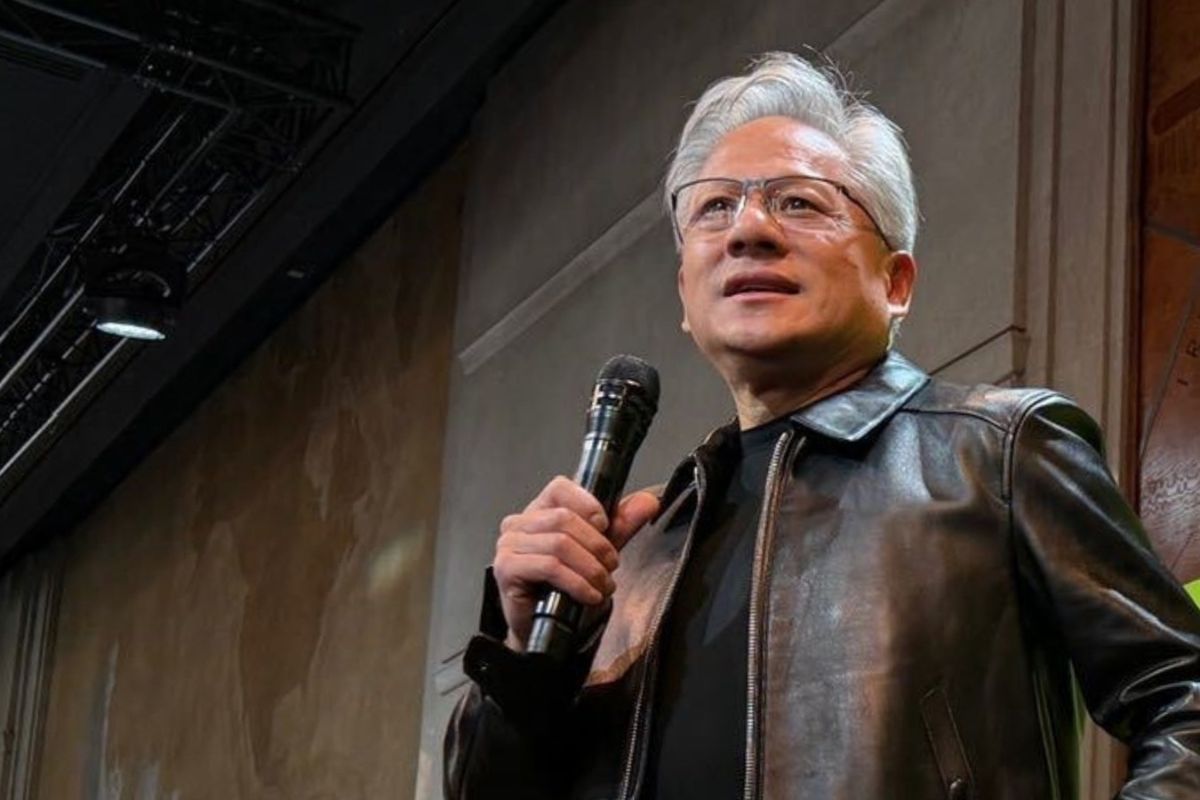
Nvidia’s board unanimously reinstated Jensen Huang as CEO and president on Nov. 23, after he stepped down earlier in the month. (Foto: Instagram)
Nvidia’s board reinstated Jensen Huang as the company’s CEO and president on Nov. 23, reversing his resignation earlier in the month. The decision followed a series of meetings with Huang, who had stepped down amid reports of an extramarital relationship with Alice Huang, a businesswoman whom U.S. intelligence officials have reportedly identified as a suspected Chinese spy.
The board voted unanimously to return Huang to the leadership posts, the company said. Nvidia also said it had received input from senior U.S. government officials and was confident that Huang’s return posed no threat to national security. “The board believes Jensen is the right person to lead Nvidia and that his reinstatement is in the best interests of our shareholders, employees, partners and customers,” Harvey C. Jones, the company’s board chairman, said.
Huang said he was honored to return and thanked the board, shareholders, partners and employees for their support. He described Nvidia as one of the world’s most important technology companies and said he was returning at the start of a new industrial revolution with humility and renewed commitment. Huang also thanked Jones for his leadership, executive team members including Colette Kress, and his family, and said he was eager to resume work.
Several Nvidia shareholders and partners had called for Huang to return, and President Donald Trump also backed his reinstatement. The company’s shares jumped 30% in premarket trading after Nvidia confirmed the decision. They were up nearly 29% at about 11:25 a.m., trading at $161.24.
Nvidia said it had formed an independent committee to investigate allegations that Huang was targeted by Chinese espionage and had retained independent legal counsel to assist him. The company said Huang fully supported the investigation and would cooperate. The board also established a National Security and Export Controls Committee made up of independent directors to oversee U.S. national security risks, as the United States and China compete in artificial intelligence.
The allegations gained attention in late October, when The New York Times reported that Huang had an extramarital relationship with Alice Huang, a Singapore-based business executive whom U.S. intelligence officials reportedly suspected of spying for China. Alice Huang was an executive at Megaspeed, a Singapore-based company described in the report as one of Nvidia’s largest chip customers. U.S. authorities are investigating whether Megaspeed secretly sent chips to China. The New York Times reported on Nov. 22 that Alice Huang had been in contact for more than a year with an employee of China’s Ministry of State Security while she was involved with the Nvidia leader.
The sequence of events began on Oct. 29, when a report about the relationship was published. On Nov. 8, Huang acknowledged the relationship to Nvidia employees but did not address espionage allegations. He resigned as CEO on Nov. 12. Five days later, he spoke publicly for the first time after stepping down, saying shareholders and partners had urged him to return and that he was willing to do so. Nvidia announced his reinstatement as CEO and company president on Nov. 23.

