
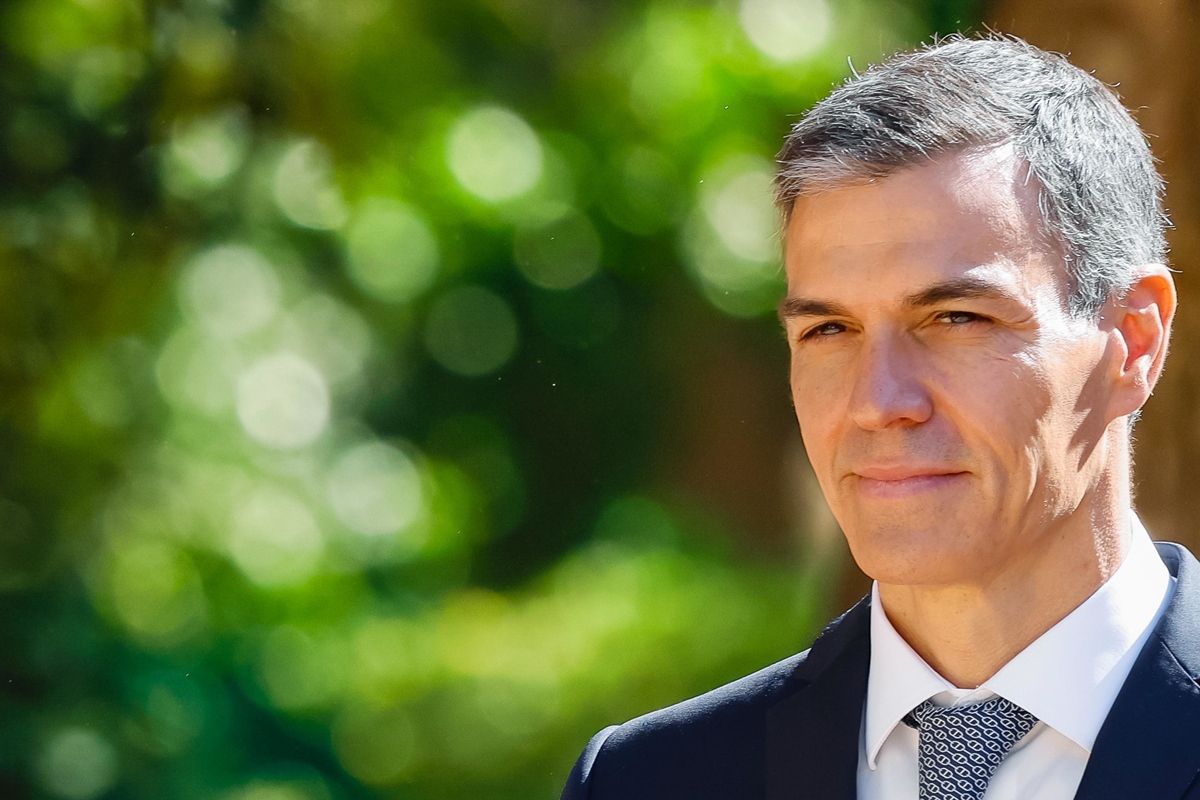
Spanish Prime Minister Pedro Sánchez proposed taxing fortunes valued above €100 million to fund family benefits, housing programs, and public services. (Foto: Instagram)
Spanish Prime Minister Pedro Sánchez announced on Nov. 23 a proposal to tax fortunes valued at more than €100 million, or approximately 654 million Brazilian reais. The announcement came six days before the country’s general election, putting tax policy at the center of a contest between Sánchez’s Socialists and the conservative opposition.
Sánchez said revenue from the proposed tax would help fund benefits for families with children, housing programs and public services. In a post on X, he argued that wealthy people should contribute more, saying income inequality had fallen to historic lows but the richest 0.1% still held more than 10% of the country’s wealth, with their share increasing since 2010. He added that the goal was for “millions to translate into rights.”
Sánchez also criticized the economic platform of the People’s Party (PP), his main electoral rival, saying it plans to cut taxes for the wealthiest. The PP, led by Alberto Núñez Feijóo, has pledged tax reductions for middle- and lower-income workers and young people. It also supports tax incentives for businesses investing in technology and digitalization.
Spanish voters are scheduled to elect members of Parliament on Nov. 29. Polls show the PP leading Sánchez’s Spanish Socialist Workers’ Party (PSOE), but the conservative party is not expected to win an outright majority on its own. The far-right Vox party, led by Santiago Abascal, could therefore play a decisive role in forming a majority. Surveys released Nov. 23 indicated the two parties could together win enough seats to control Parliament.
A 40dB poll of 7,500 people for the newspaper El País projected 127 to 136 seats for the PP, compared with 116 to 127 for the PSOE. Vox was estimated to win 51 to 61 seats. Spain already has a wealth tax, introduced in 2022, which applies to net fortunes exceeding €3 million, or approximately 19.6 million Brazilian reais, and supplements regional wealth taxes. Sánchez’s proposal would direct attention to fortunes above €100 million. The initiative follows similar proposals from left-wing politicians in the United Kingdom, France and the Netherlands.

