
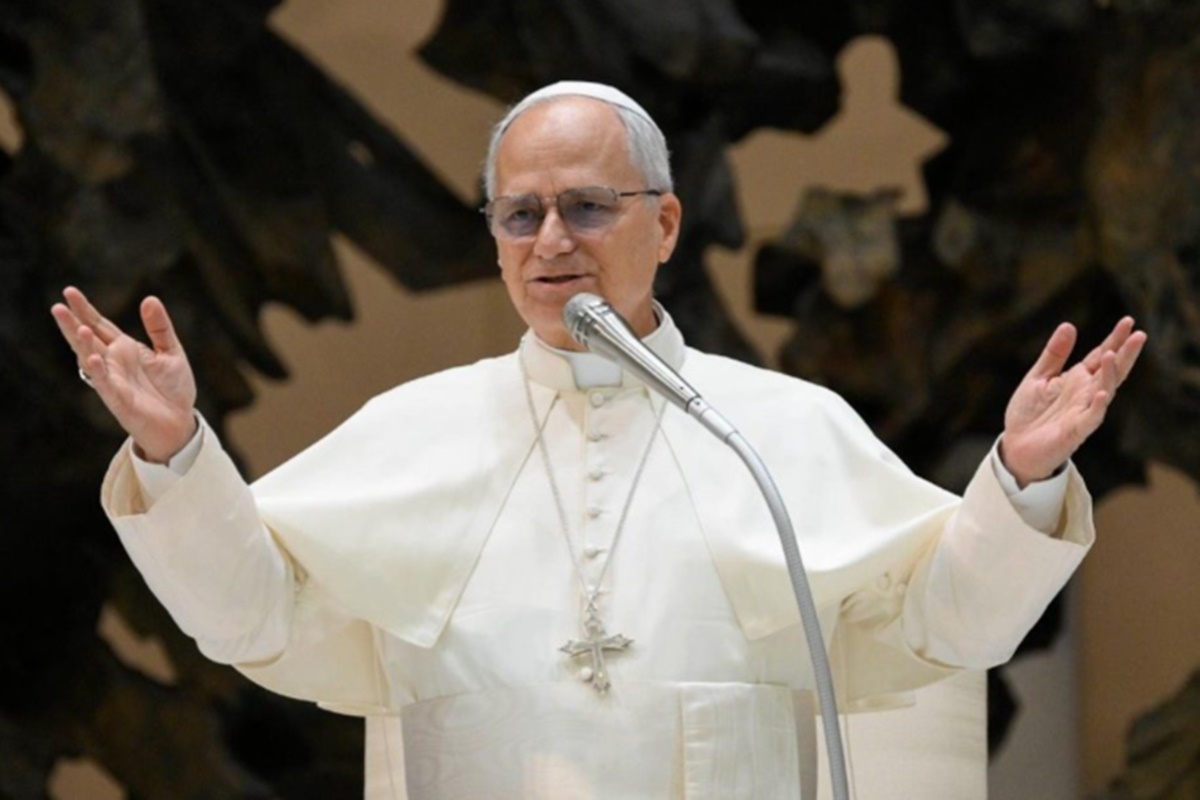
Pope Leo XIV called for renewed global action on climate change after COP31 ended without broad commitments. (Foto: Instagram)
Pope Leo XIV criticized the lack of broad commitments to address climate change on Wednesday, Nov. 25, following the end of the 31st United Nations Climate Change Conference, or COP31, in Antalya, Turkey. Speaking at the close of the General Audience in St. Peter’s Square at the Vatican, he said he was concerned that countries had failed to reach a wider political understanding as extreme weather events become more frequent.
Leo said the international community should renew its efforts to protect the environment and warned that climate change affects millions of people, entire communities and future generations. He said it was troubling that COP31 had ended without clear commitments to confront the crisis seriously and responsibly, given the growing frequency of climate-related extreme weather.
The pope said the environmental crisis should not be viewed only as a matter of protecting nature. He also described it as a human issue that directly affects people’s dignity and living conditions. Leo urged people not to lose sight of the crisis’s human consequences, saying it affects millions, harms whole communities and threatens the prospects of generations to come.
Leo also called for structural changes in how societies are organized, including greater international cooperation and changes in behavior, socioeconomic systems and governance. He said responding to the crisis requires a renewed sense of shared responsibility, solidarity among nations and attention to the effects on the most vulnerable. In his view, those efforts should be part of a broader commitment to protect people as well as the environment.
In his appeal, Leo asked governments and individuals to promote a culture of care for creation guided by the common good and concern for future generations. He said that commitment should place at its center the God-given dignity of every person, the common good and solidarity with the poor and those who will live in the future.
The pope’s remarks came after COP31 ended in Antalya without agreement on the conference’s central political document. The source report said a failure to reach consensus on that document had not occurred since 2009. Negotiations were marked by disagreements over moving away from fossil fuels and climate financing for countries considered especially vulnerable.
Oil-producing countries resisted more explicit commitments to reduce fossil fuel use, while the European Union and other delegations criticized the proposed final text as inadequate. Those differences prevented a broad political understanding. Proposals backed by Brazil, including plans for energy-transition pathways and measures to combat deforestation, were also left out of the central document.

