
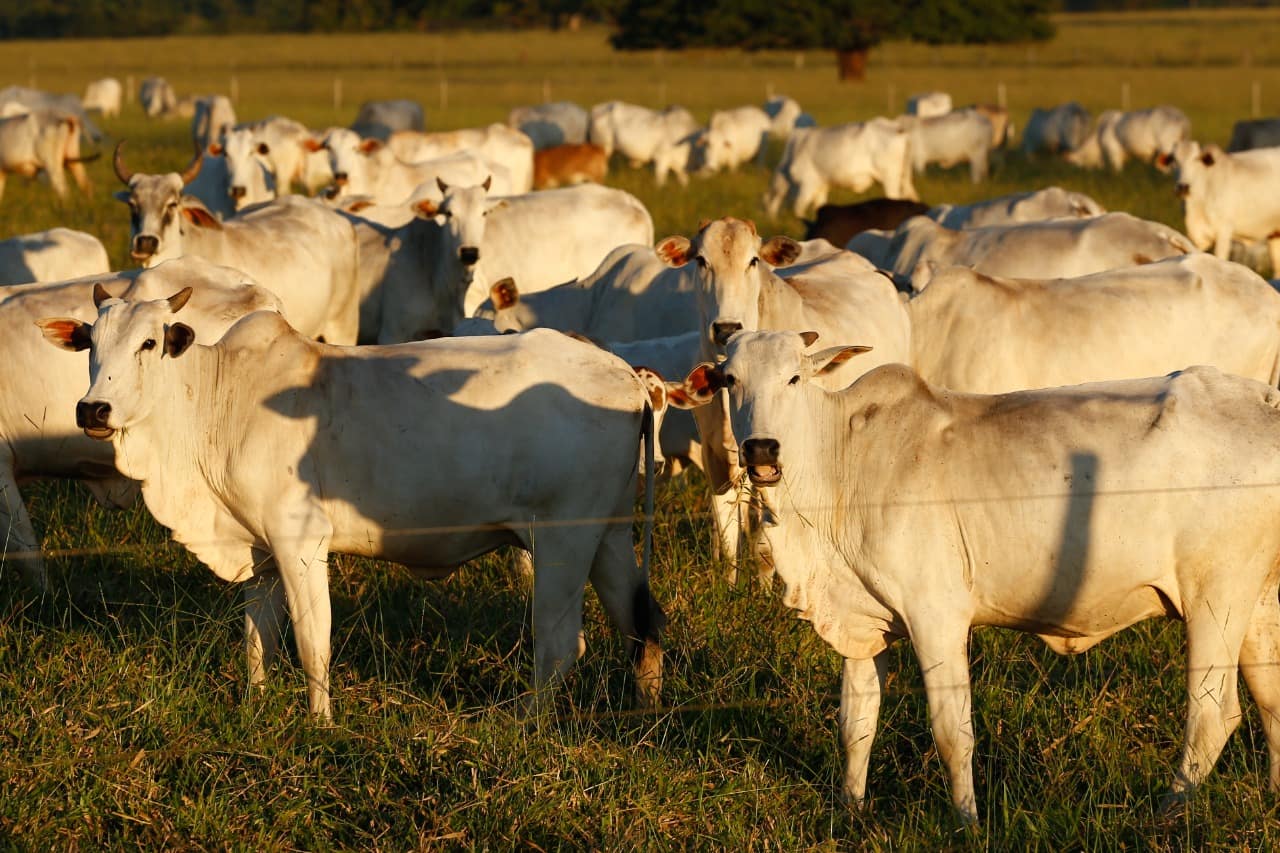
Brazil’s government rejected French President Emmanuel Macron’s claims about Brazilian meat, citing its food-safety controls and scientific evidence. (Foto: Instagram)
The Brazilian government’s response to French President Emmanuel Macron’s comments about Brazilian meat received coverage in France on Nov. 27. French outlets Franceinfo, 20 Minutes and Le Figaro reported on Brasília’s criticism of Macron and its rejection of claims linking Brazil’s animal-protein production to violations of European health standards.
The dispute began on Nov. 25, when Macron met with representatives of France’s agricultural sector at the Élysée Palace in Paris. He again criticized the proposed trade agreement between the European Union and Mercosur and welcomed the suspension of EU imports of animal-origin products from Brazil. In discussing the measure, Macron described meat from the South American bloc, particularly Brazilian meat, as “doped.”
Brazil’s Agriculture and Livestock Ministry and Foreign Ministry issued a joint statement on Nov. 26, saying Macron’s remarks spread information that contradicted technical and scientific evidence about Brazilian production. Franceinfo published the Agriculture Ministry’s response, while 20 Minutes reported that Brasília called the statements “disinformation” and urged governments to set aside protectionist pressure in favor of decisions based on scientific and technical criteria. Le Figaro focused on Macron’s opposition to the trade agreement and his defense of measures to protect French producers.
The Brazilian government defended its national health-control system, noting that Brazil has supplied animal-origin products to the European market for decades and exports meat to 177 markets. It also cited European Commission audits of Brazilian controls in poultry and honey production. According to the government, the audit findings demonstrate that Brazil’s systems in those sectors can meet European requirements.
The EU suspension of imports of Brazilian animal-origin products has been in effect since Sept. 3. The requirements at issue concern controls on antimicrobial use in animal production. Brazil disputes the measure and considers it political and protectionist. Agribusiness groups also criticized Macron’s comments: the Brazilian Animal Protein Association (ABPA) called them serious and unacceptable, while the Brazilian Association of Meat Exporting Industries (Abiec) said the European restriction was not based on demonstrated risks to consumer health.
The dispute is unfolding alongside disagreements over the EU-Mercosur trade agreement, which has been under negotiation for more than two decades. France is among the treaty’s leading opponents, arguing that European producers could face competition from imports subject to different environmental and health rules. French farmers have also expressed concern about the effects of expanded trade on domestic production. In response to Macron, Brazil’s government called on Paris to reconsider its position based on scientific evidence and respect for bilateral relations, and said it could use available measures to defend Brazilian producers and exporters.

