
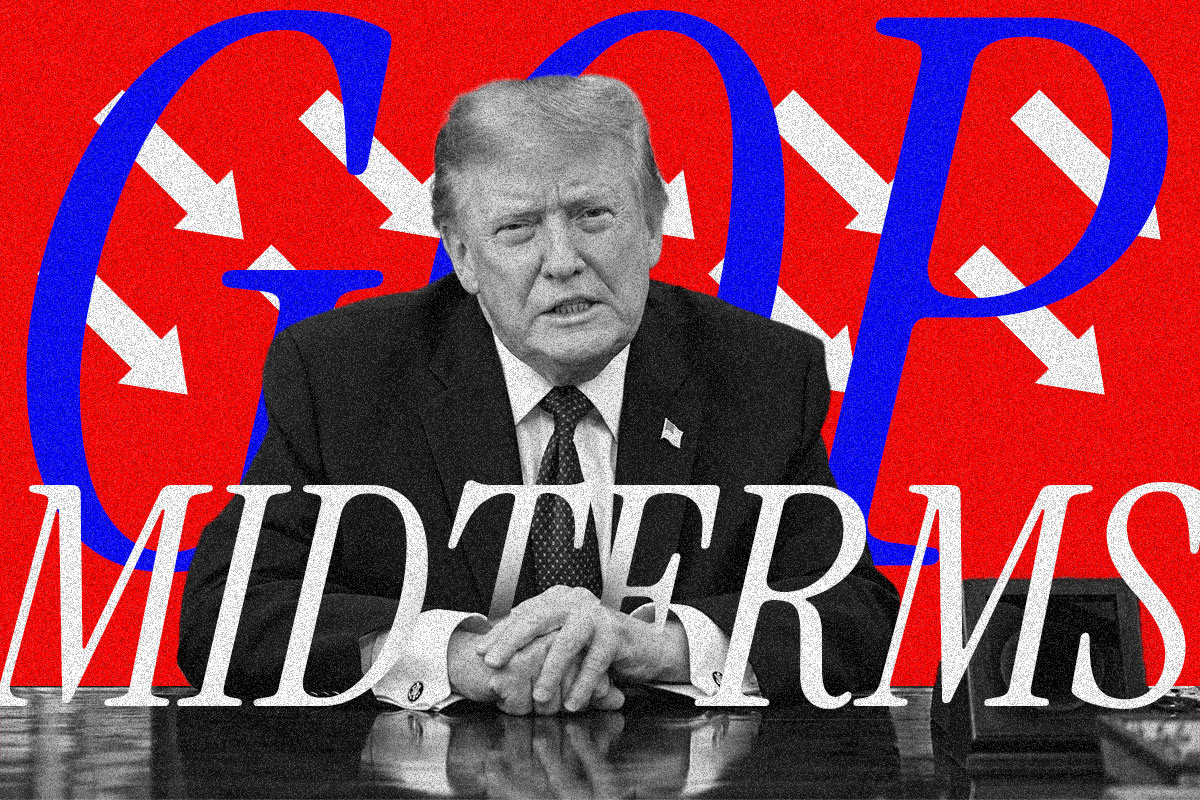
The Nov. 3 midterm elections will determine all 435 House seats and 35 Senate seats, shaping the balance of power in Congress. (Foto: Instagram)
Voters will go to the polls on Tuesday, Nov. 3, to elect members of Congress in contests that could shift the balance of power in Washington and create new obstacles for President Donald Trump. The midterm elections will decide all 435 seats in the House of Representatives and 35 of the Senate’s 100 seats. Trump is not on the ballot, but the results could affect the remainder of his term, which ends in January 2029.
Congressional elections are held every two years. House members serve two-year terms and represent districts across the 50 states, with the districts apportioned according to population. A party needs at least 218 seats to control the chamber. Senators serve six-year terms, with seats contested on a staggered schedule; each state has two senators regardless of its population. The newly elected members are scheduled to take office in January 2027, when the 120th Congress begins.
The election comes as Trump faces discontent over the cost of living, the economy, trade tariffs and the effects of the war involving Iran. A Reuters/Ipsos poll released Oct. 19 found that 66% of Americans disapproved of the Republican administration, while 31% approved of Trump’s performance. The survey found that dissatisfaction centered especially on the economy and rising living costs, and the figures were among the lowest approval ratings recorded for Trump across his two terms.
Since returning to the White House in January 2025, Trump has expanded tariffs on imported goods, arguing that they protect U.S. industry and strengthen the domestic economy. The measures have drawn legal challenges, reactions from trading partners and criticism from business sectors. Higher import costs have also intensified debate over whether tariffs are contributing to consumer prices. Rising fuel costs and energy expenses tied to the Iran conflict have added pressure on spending for transportation, shipping and essential goods. Trump has stepped up his appearances at campaign events to rally Republicans and try to prevent the party from losing control of Congress.
Democrats are viewed as having an advantage in the House, where Republicans hold a narrow 218-214 majority. The Reuters/Ipsos survey found that 47% of voters preferred Democratic candidates, compared with 35% who favored Republicans. Projections suggest Democrats could win between 220 and 236 seats, though the outcome depends on close contests in key districts. The Senate race is more difficult for Democrats: Republicans hold 53 seats, compared with 47 in the Democratic bloc, and Democrats would need to gain four seats to secure a majority.
A Democratic House majority could put the party in control of the voting agenda and committees, complicate Trump’s efforts to pass legislation and expand congressional oversight of the administration. It could also lead to investigations into decisions involving tariffs, the implementation of court orders and military operations abroad. A change in Senate control could affect confirmations of senior administration officials, ambassadors and federal judges; a Democratic majority could make those approvals harder or impose conditions on presidential selections. The midterm results cannot remove Trump from the presidency, but they could narrow his administration’s room to maneuver. Election administration is handled state by state under local rules, and early and mail-in voting are part of the process. Redistricting is another factor: Texas and California have pursued opposing efforts to redraw districts, as have other states, with changes that could affect the distribution of House seats.

