
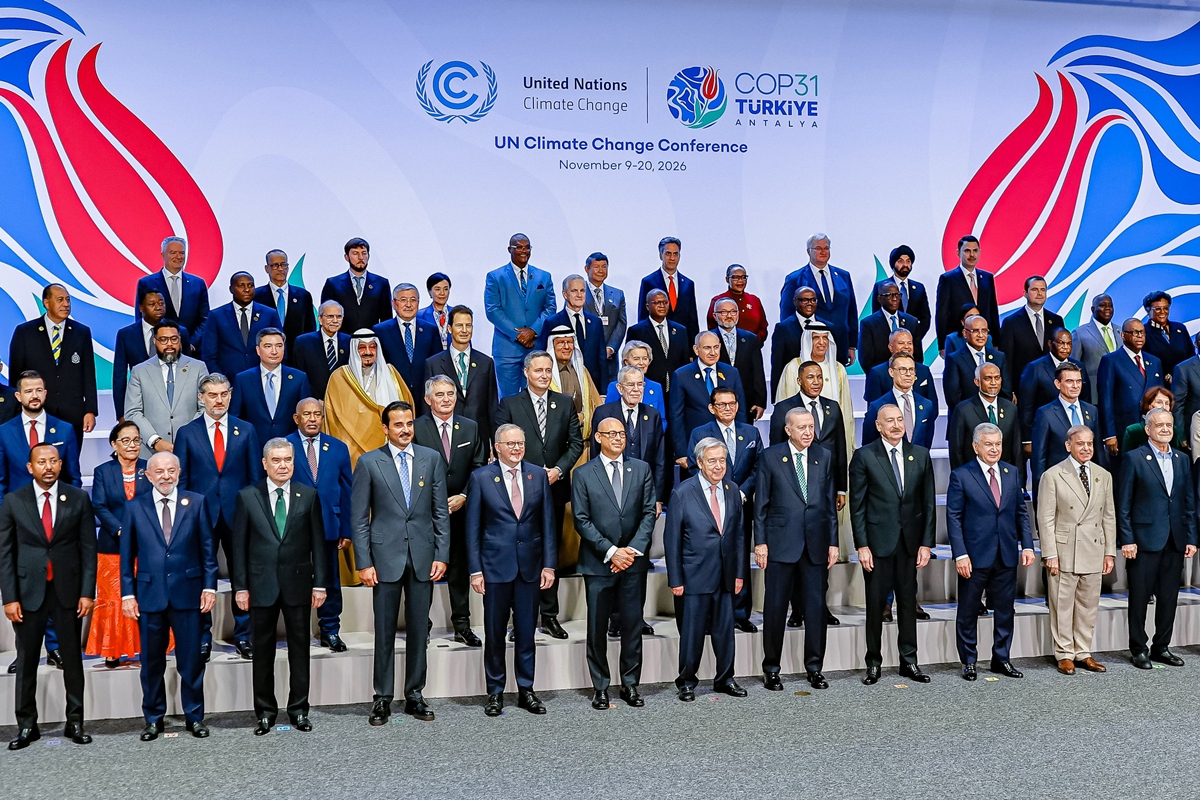
The first draft of COP31’s final decision reaffirms the Paris Agreement and supports road maps to move away from fossil fuels. (Foto: Instagram)
The United Nations Climate Change Conference, COP31, released the first draft of its final “cover decision” on Monday, Nov. 16. The document sets out global guidelines for environmental protection and calls on countries to present proposals demonstrating a genuine commitment to limiting the rise in global temperatures. It contains 144 items and repeatedly affirms the Paris Agreement as the central framework for collective climate action.
The Paris Agreement was adopted at COP21 in December 2015 and took effect on Nov. 4, 2016. Its main goal is to keep the increase in the global average temperature well below 2 degrees Celsius above preindustrial levels while pursuing a limit of 1.5 degrees. The COP31 draft also endorses Brazil’s proposed “road maps,” which include moving away from dependence on fossil fuels “as quickly as possible,” and recognizes Brazil’s work at COP30 in Belém.
Negotiations during COP31’s first week focused mainly on technical and procedural matters. The draft notes that sensitive political issues—including climate financing, such as the Green Climate Fund, adaptation, and cutting carbon emissions—remain unresolved. Those topics are expected to receive more attention in the conference’s second phase.
Among the draft’s provisions, developed countries are urged to take the lead, including toward the goals of reaching net-zero emissions by 2030 and net-negative emissions by 2040. The text also says geopolitical tensions have contributed to uncertainty and volatility in global energy markets and fossil fuel supply chains, with consequences for energy security, access and affordability, as well as broader economic and social effects.
The document says climate change is already harming physical and mental health through climate-sensitive diseases such as malaria, dengue and cholera; heat stress; effects on maternal health; food and nutrition insecurity; and damage to health facilities during extreme events. It says these impacts fall more heavily on the most vulnerable developing countries. It also identifies mountain regions and glacier-dependent communities as especially vulnerable and calls for a dedicated work program on mountains and climate change.
The draft further states that developed countries’ cumulative historical net carbon dioxide emissions amount to about four-fifths of the total carbon budget consistent with a 50% chance of limiting warming to 1.5 degrees Celsius. It notes that the Intergovernmental Panel on Climate Change had previously said developed countries should cut emissions by 25% to 40% below 1990 levels by 2020, a target that was not met.
Brazil presented a Road Map to end deforestation by 2030, outlining national actions, financing and public participation linked to international cooperation. Environment Minister João Paulo Capobianco said Brazil was determined to fully implement the plan, but warned that the global risk of losing the Amazon forever remained high even if Brazil did so. COP31 is taking place in Antalya, Turkey, through Friday, Nov. 20.

