
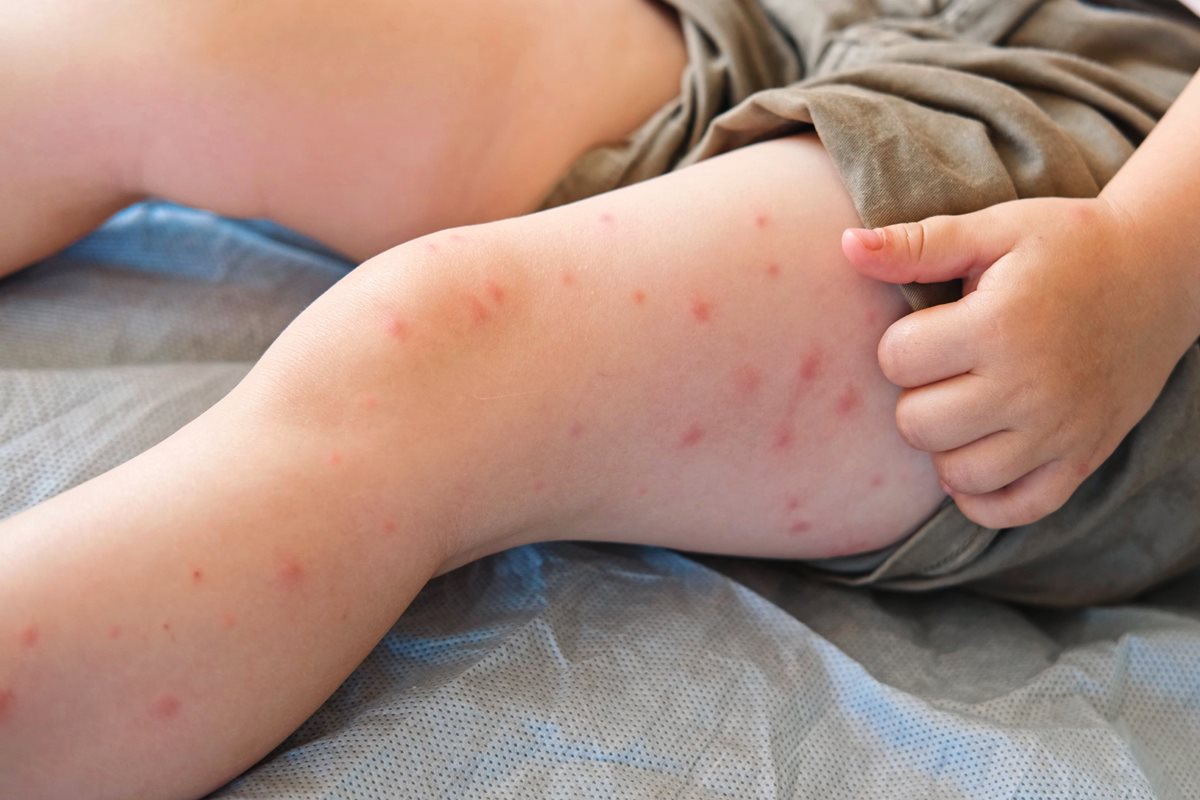
The United States lost its measles elimination status after outbreaks were reported in 45 states, amid declining vaccination rates and continued virus transmission. (Foto: Instagram)
The Pan American Health Organization (PAHO) has removed the United States’ measles elimination status after outbreaks were reported in 45 of the country’s 50 states. The decision comes amid a major resurgence of the disease, alongside declining vaccination rates and growing reluctance toward vaccines. The U.S. first achieved elimination status in 2000 after immunization campaigns and programs that provided free vaccines to thousands of children.
The Centers for Disease Control and Prevention (CDC) has recorded 5,182 confirmed measles cases in the United States in 2026. Other tracking sources, including Johns Hopkins University, have counted as many as 5,739. Both figures exceed the 2,289 cases reported for all of 2025, and the current outbreak is the country’s worst since 1991. Losing elimination status means measles transmission was not interrupted and could prompt travel alerts or new vaccination recommendations from other governments.
PAHO’s criteria include whether a single measles virus strain has circulated in a community for 12 consecutive months. In Utah, an outbreak that began in June 2025 infected more than 700 people and continued long enough to meet that threshold. CDC data show that 87.2% of kindergarten children in the state received the measles, mumps and rubella (MMR) vaccine during the 2025–26 school year.
The virus continued spreading beyond Utah. Pennsylvania has reported the country’s largest outbreak this year, with more than 1,500 cases since early April and seven related deaths. Ten people have died of measles in the United States in 2026, three times the total for 2025. The CDC has officially recognized six of the deaths, following a dispute with Pennsylvania over how some cases should be classified.
The outbreaks have expanded as Robert F. Kennedy Jr. leads the Department of Health and Human Services. During his tenure, the CDC has experienced layoffs and leadership changes and lost about one-third of its career staff after cuts by the Department of Government Efficiency. The agency has also had to respond to other outbreaks, including Ebola and cyclosporiasis. In August, Erica Schwartz became the CDC’s first permanent director in nearly a year. Kennedy, who previously led an anti-vaccine organization, has said receiving the MMR vaccine should be a “personal choice.”
President Donald Trump issued an executive order this year directing the department to prepare a report on separating the components of the MMR vaccine. Such a change could lengthen the time needed to protect against all three diseases and require production adjustments by manufacturers Merck and GSK. According to the CDC, two doses of the vaccine are 97% effective against measles. The disease is highly contagious and can infect up to 90% of unvaccinated people exposed to the virus. Symptoms can resemble the flu and include a widespread red rash; complications may include pneumonia, encephalitis and death.
Democratic Rep. James Walkinshaw criticized Kennedy’s appointment to lead public health agencies, writing on X that the loss of measles elimination status “did not have to happen.” Sen. Bernie Sanders called the loss “shameful” and said about 5,400 Americans had contracted measles in 2026 and 10 had died.

