
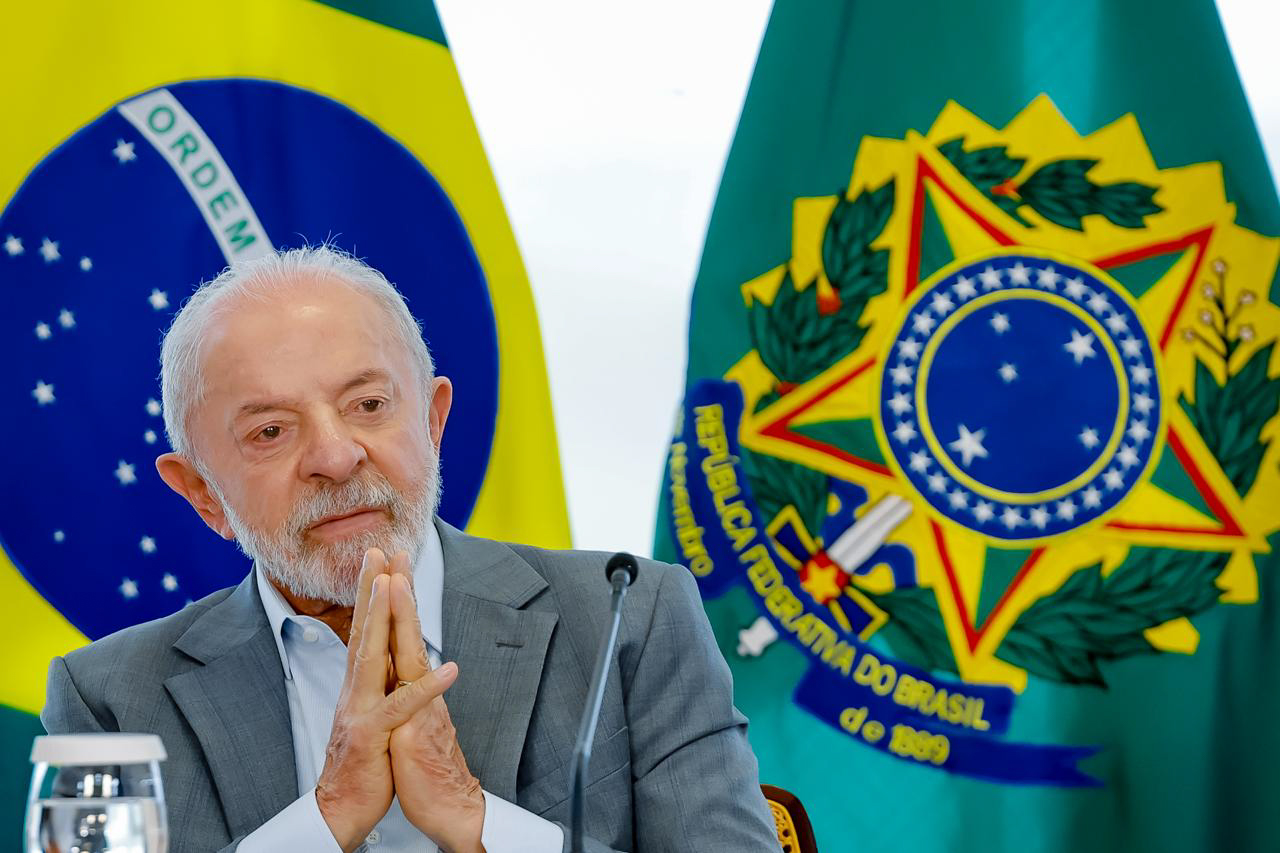
Brazilian President Luiz Inácio Lula da Silva visits the Philippines on Nov. 13, 2026, as Brazil seeks to strengthen trade ties and address the temporary suspension of pork imports. (Foto: Instagram)
Brazilian President Luiz Inácio Lula da Silva arrived in the Philippines on Friday, Nov. 13, for a visit focused on strengthening diplomatic and commercial ties with Southeast Asia. The trip, planned before a trade dispute emerged, comes days after the Philippine Department of Agriculture announced a 60-day suspension of pork imports from Brazil. Brazil is the Philippines’ leading supplier of pork, and the Brazilian government is monitoring the impact of the measure and is expected to seek its reversal during Lula’s visit to Manila.
The temporary suspension applies to all countries exporting pork to the Philippines and followed a safeguard investigation opened by the Philippine government. Officials said imports from 2021 through August 2026 had caused serious harm to the domestic pork industry, and that critical circumstances required immediate action to prevent potentially irreparable damage. Brazilian exports of fresh pork to the Philippines totaled $530.9 million from January through September 2026. Brazilian officials believe the suspension is consistent with international trade rules but say negotiations remain possible and could begin during Lula’s visit.
Agriculture and Livestock Minister André de Paula is accompanying Lula and is scheduled to meet with Philippine Agriculture Minister Francisco Tiu Laurel Jr. Representatives of the protein industry are also expected to take part in discussions. Another item on the agenda is renewal of the certification recognizing the equivalence of Brazil’s sanitary inspection system. The certification, which allows Brazil to export certain animal products to the Philippines, expires in February 2027.
Lula’s schedule includes a state visit and participation in the 49th summit of the Association of Southeast Asian Nations (ASEAN). It will be his second consecutive year attending the leaders’ gathering; in 2025, he went to the summit in Malaysia, where he met with U.S. President Donald Trump. Brazil has sought to deepen ties with Asian markets, and Lula has visited Vietnam, Japan, South Korea and China, among other countries, since 2023. Brazil currently holds sectoral dialogue partner status with ASEAN and is seeking full dialogue partner status, a designation also held by the United States, Japan, Canada, South Korea and the European Union. The Brazilian government hopes the process can be completed at next year’s summit in Singapore, although the Foreign Ministry says internal procedures could take time.
The trip is part of Brazil’s effort to broaden and diversify trade partnerships, particularly after the tariffs imposed by the United States under Trump. In 2025, trade between Brazil and the Philippines totaled $2.7 billion, while trade with ASEAN exceeded $38 billion. Brazil sees potential to increase sales of coffee, açaí, juices, processed foods, pasta and cookies. Lula is also expected to attend a business forum organized by the Brazilian Trade and Investment Promotion Agency, with more than 100 Brazilian companies, including Vale, JBS and Embraer, having confirmed their participation. Philippine companies are reportedly interested in buying Embraer aircraft, and the Philippine government has also expressed interest in Brazilian defense equipment.
Infrastructure is another area under discussion. Enrique Razon Jr., chief executive of port operator ICTSI and the Philippines’ wealthiest person, is interested in meeting Lula and in the planned Tecon 10 auction for a concession to operate a terminal at the Port of Santos. The auction has not yet been launched amid government disputes, but it has attracted private-sector attention. ICTSI already operates two terminals in Brazil, in Pernambuco and Rio de Janeiro. Ports and Airports Minister Tomé Franca is also in the Philippines and is expected to lead discussions on the sector.

