
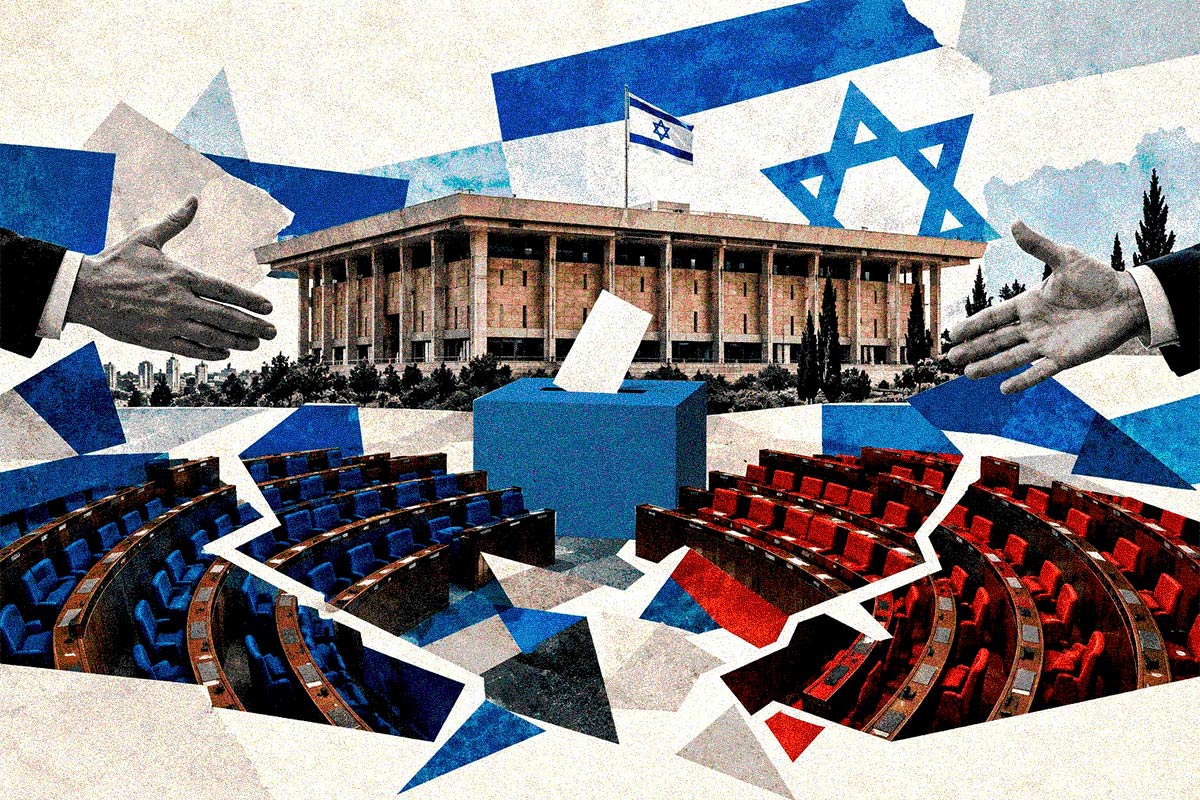
Israel’s Central Election Commission approved the election results after auditing 9,069 polling stations and finding no evidence of fraud that would undermine their integrity. (Foto: Instagram)
Israel’s Central Election Commission said it found no evidence of fraud that could call the integrity of the election results into question after auditing 9,069 polling stations. The commission announced its validation of the results on Wednesday, Nov. 4, amid challenges from far-right figures and negotiations over the formation of the country’s next government.
The final figures were approved by 15 votes to two, with 14 commission members abstaining. Despite the decision, National Security Minister Itamar Ben-Gvir said his party, Likud, did not recognize the results and called for the arrest of leaders of Arab-Israeli parties. The report did not provide further details about the basis for his demand.
Ben-Gvir, who has made extreme statements about Palestinians, has challenged the participation of Arab parties in the election process. Those parties won an unprecedented presence in Parliament and could play a decisive role in negotiations to form a new coalition. The dispute comes amid deep political divisions and an election outcome in which no bloc secured enough seats to govern alone in the 120-member Parliament.
Opposition leader Gadi Eisenkot, a former chief of staff of the armed forces, accused Prime Minister Benjamin Netanyahu of trying to weaken democratic institutions and fuel hostility toward elected representatives. Speaking at an event honoring former Prime Minister Yitzhak Rabin, who was assassinated in 1995, Eisenkot said he would not allow Israel to be led into a breakdown of democracy.
Eisenkot also warned Netanyahu against the possibility of launching a new war against Iran in partnership with U.S. President Donald Trump. Netanyahu has served as Israel’s prime minister for longer than anyone else, holding the office during multiple periods over nearly two decades.
With no clear parliamentary majority, Israeli President Isaac Herzog began consultations with party representatives on Wednesday to discuss the makeup of the next government. Herzog is scheduled to hold initial meetings over two days, after which he is expected to give one of the lawmakers nominated for the task 28 days to form a coalition. The deadline may be extended by another 14 days.
Netanyahu and Eisenkot are seen as the leading contenders for the chance to form a government, though Herzog could select another lawmaker. The expectation is that the first attempt will go to one of the two rivals. Herzog urged the parties to negotiate and accept the need for concessions to prevent another political deadlock. He also called on leaders to work to avoid another election.

